How To Retain An Employee Who Wants To Leave: Your Step-by-Step Guide
Finding out that a valuable team member is ready to jump ship can feel like a punch to the gut. It's frustrating, expensive, and often demoralizing for the rest of the team. However, before you accept their resignation and start drafting job descriptions, you need to ask yourself: can I still save this relationship?
The good news is that understanding How To Retain An Employee Who Wants To Leave is absolutely possible, but it requires swift, sincere action, and a willingness to look inward. This isn't just about throwing money at the problem; it's about addressing the core reasons they felt the need to search elsewhere in the first place. Let's dive into the practical steps you can take right now to turn this situation around.
Diagnosing the Root Cause (The Crucial First Step)
When an employee announces their departure, your immediate priority should be to understand the underlying motivations. Are they leaving for a higher salary, better work-life balance, or because they feel stagnant? Assuming you know the answer without a genuine conversation is a recipe for failure.
You need to sit down with them—privately and empathetically—and ask open-ended questions. Frame the conversation not as an interrogation, but as a genuine attempt to understand their professional journey and what they need to thrive. Remember, retention starts with listening.
Here are crucial topics to explore during this initial chat:
- What specifically triggered your decision to seek new opportunities?
- What aspects of the new role are most appealing to you right now?
- Do you feel you have the resources and support needed to succeed here?
- If we could address one or two key pain points immediately, what would they be?
The Exit Interview vs. The Stay Interview (Why Proactivity Matters)
Once an employee resigns, the exit interview is often too little, too late. This is why high-performing companies practice "stay interviews." These are regular, informal check-ins designed to proactively uncover dissatisfaction before it turns into a resignation letter.
When dealing with an employee who wants to leave, you are essentially conducting an emergency stay interview. Use this moment not only to save this individual but also to gather invaluable data to prevent future attrition. If they cite management issues, poor communication, or lack of appreciation, take those points seriously.
Crafting a Personalized Counter-Offer Strategy
The biggest mistake in retention is offering a generic counter-offer. If the employee is leaving because they feel burnt out, simply increasing their salary by 10% won't solve the problem in the long run. Your strategy must be highly tailored to the specific needs you uncovered in the diagnosis phase.
If their primary motivator is salary, you must meet or beat the competitor's offer, assuming it aligns with internal equity standards. However, if they are leaving due to lack of challenge or flexibility, the counter-offer should focus on those non-monetary elements first.
A successful counter-offer package should include a combination of monetary and intangible benefits, ensuring you are solving their core problem, not just delaying the inevitable.
Addressing Compensation (Money Isn't Everything, But It Helps)
Let's be realistic: money plays a huge role. If they received a significantly higher offer elsewhere, matching or exceeding that number shows you value their market worth. But be careful not to set a precedent where employees must threaten to quit just to receive a fair raise.
When presenting a monetary counter-offer, link the increase to their future value and responsibilities within the company, rather than simply competing with the external offer. This validates their contribution while tying the raise to a clear career path moving forward.
Focusing on Growth and Development Opportunities (The Long-Term Hook)
Many employees leave because they don't see a clear path forward. If they are seeking challenge, offer them a new title, new direct reports, or the ownership of a critical, high-visibility project. This demonstrates trust and investment in their future.
Structure the growth component of your counter-offer with clear, measurable milestones. For instance, you could promise enrollment in a specific leadership course or a guaranteed promotion review within the next six months, conditional upon achieving defined goals. Transparency and commitment are key here.
Fixing the Culture and Management Issues (The Underlying Problem)
If the reason they want to leave is tied to poor management, lack of communication, or a toxic work environment, no amount of money will keep them happy indefinitely. You must be prepared to make systemic changes, not just temporary fixes for one person. Failing to address these deeper issues will only lead to the next high-performer walking out the door soon.
Demonstrate your commitment to change immediately. This might mean scheduling management training, implementing new feedback mechanisms, or delegating tasks to reduce workload pressure. Show, don't just tell, that their concerns are valid and are being acted upon company-wide.
Improving Work-Life Balance and Flexibility
In the modern workforce, flexibility often outweighs minor salary differences. If the employee is stressed, consider offering a hybrid schedule, flexible working hours, or even a reduced workload for a set period. This demonstrates that you care about their well-being, not just their output.
Work-life balance is a critical retention tool. If you can provide a better quality of life than the competing employer, you significantly increase your chances of successfully retaining an employee who wants to leave.
Recognizing and Rewarding Performance (Beyond Just Salary)
Feeling unappreciated is a leading cause of voluntary turnover. Recognition doesn't always have to be monetary. It can involve public acknowledgement, new titles, extra vacation days, or professional development stipends.
If you successfully retain the employee, ensure you follow up consistently with recognition that is specific and timely. This reinforces their decision to stay and rebuilds the sense of value they might have lost.
Follow-Up and Rebuilding Trust
The successful retention conversation is not the end of the process—it's just the beginning. The period immediately following the counter-offer acceptance is crucial for reinforcing their commitment. You must dedicate time and resources to the promises you made.
Consider the following steps to rebuild trust:
- Schedule Quarterly Check-Ins: Formal meetings dedicated solely to discussing their satisfaction, career goals, and the status of the improvements promised.
- Ensure Management Buy-In: Make sure their direct manager is aware of the terms of the retention and is actively supporting the employee's new path.
- Measure Happiness: Use anonymized short surveys to gauge morale and ensure the retained employee feels the promised changes are actually taking place.
- Avoid Retaliation: Never, ever treat the retained employee differently or marginalize them because they considered leaving. This will erode trust instantly.
Remember, successfully navigating How To Retain An Employee Who Wants To Leave requires genuine investment. If you approach this with honesty and a commitment to long-term change, you can turn a moment of crisis into a valuable opportunity for both the employee and your organization.
Conclusion
Losing a valuable employee is costly, but preventing their departure is achievable with the right strategy. The core of learning How To Retain An Employee Who Wants To Leave lies in genuine empathy, deep diagnosis of underlying issues (beyond salary), and crafting a personalized counter-offer that focuses on growth, flexibility, and recognition. By acting quickly and sincerely implementing the changes you promise, you can repair the relationship, increase loyalty, and build a stronger, more resilient team for the future.
Frequently Asked Questions (FAQ)
- What is the success rate of retaining employees after they accept a counter-offer?
- The success rate varies widely, often depending on why the employee was leaving. If they were leaving purely for compensation, success is higher. If they were leaving due to relationship issues with a manager or poor culture, the risk of them leaving within the next year is significantly higher unless genuine systemic changes are made.
- Should I always try to retain an employee who wants to leave?
- No. While retaining top talent is crucial, if the employee is chronically disengaged, a poor cultural fit, or demanding unreasonable terms, letting them go might be the healthier choice for the team dynamic and the company budget. Focus your efforts on retaining high-performers whose departure would create significant disruption.
- What if I can't match the salary offer they received elsewhere?
- If you cannot match the salary, you must heavily emphasize non-monetary benefits. This includes better work-life balance (more remote work, more PTO), clearer career progression (a guarantee of new responsibilities), or higher educational stipends. Demonstrate that the total value package is superior, even if the cash component is slightly less.
- How soon after accepting the counter-offer should I follow up?
- You should follow up informally within the first week to ensure they feel settled and supported. A formal check-in focusing on the milestones and commitments made during the negotiation should happen within 30 to 45 days. Consistency is vital for long-term retention.
How To Retain An Employee Who Wants To Leave
How To Retain An Employee Who Wants To Leave Wallpapers
Collection of how to retain an employee who wants to leave wallpapers for your desktop and mobile devices.
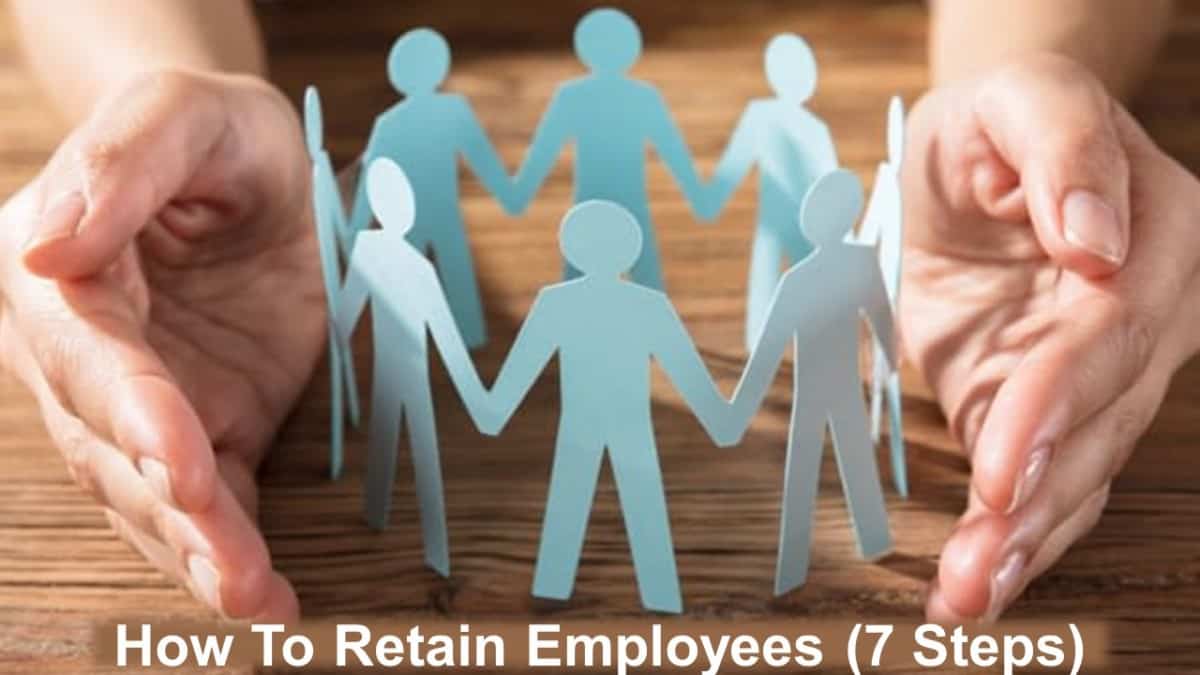
Dynamic How To Retain An Employee Who Wants To Leave Photo for Your Screen
Immerse yourself in the stunning details of this beautiful how to retain an employee who wants to leave wallpaper, designed for a captivating visual experience.

Exquisite How To Retain An Employee Who Wants To Leave Abstract Art
This gorgeous how to retain an employee who wants to leave photo offers a breathtaking view, making it a perfect choice for your next wallpaper.

Serene How To Retain An Employee Who Wants To Leave Design Art
Discover an amazing how to retain an employee who wants to leave background image, ideal for personalizing your devices with vibrant colors and intricate designs.

Beautiful How To Retain An Employee Who Wants To Leave Picture for Mobile
Explore this high-quality how to retain an employee who wants to leave image, perfect for enhancing your desktop or mobile wallpaper.

Beautiful How To Retain An Employee Who Wants To Leave Background Nature
Experience the crisp clarity of this stunning how to retain an employee who wants to leave image, available in high resolution for all your screens.
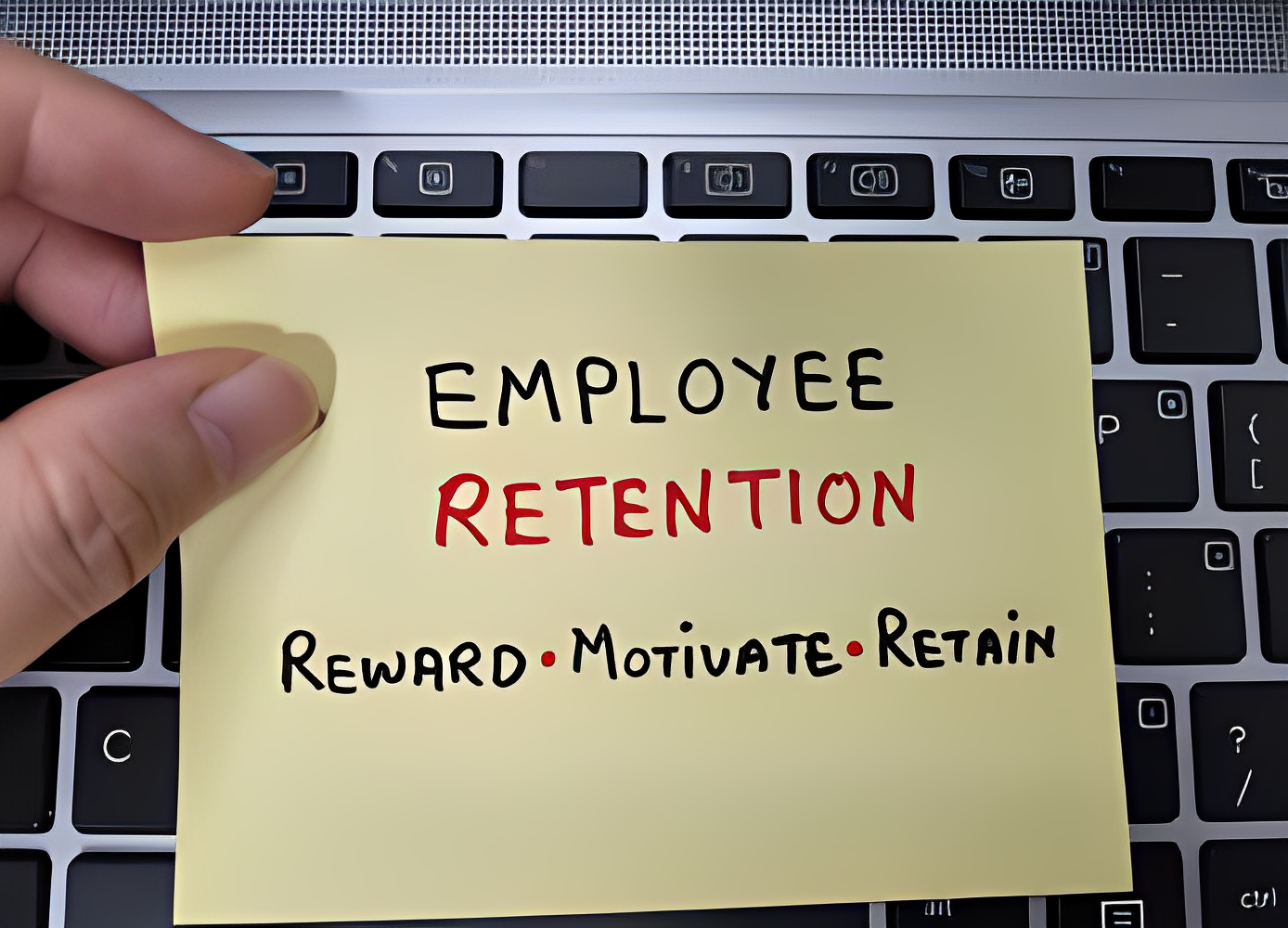
Lush How To Retain An Employee Who Wants To Leave Scene Photography
This gorgeous how to retain an employee who wants to leave photo offers a breathtaking view, making it a perfect choice for your next wallpaper.

Spectacular How To Retain An Employee Who Wants To Leave Picture Photography
A captivating how to retain an employee who wants to leave scene that brings tranquility and beauty to any device.

Lush How To Retain An Employee Who Wants To Leave Design in 4K
Immerse yourself in the stunning details of this beautiful how to retain an employee who wants to leave wallpaper, designed for a captivating visual experience.

Exquisite How To Retain An Employee Who Wants To Leave Image for Mobile
A captivating how to retain an employee who wants to leave scene that brings tranquility and beauty to any device.
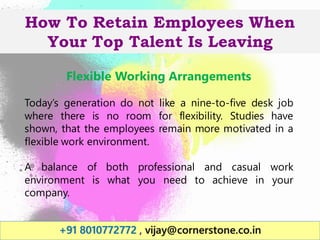
Exquisite How To Retain An Employee Who Wants To Leave Capture Photography
Immerse yourself in the stunning details of this beautiful how to retain an employee who wants to leave wallpaper, designed for a captivating visual experience.

Spectacular How To Retain An Employee Who Wants To Leave Background for Desktop
This gorgeous how to retain an employee who wants to leave photo offers a breathtaking view, making it a perfect choice for your next wallpaper.
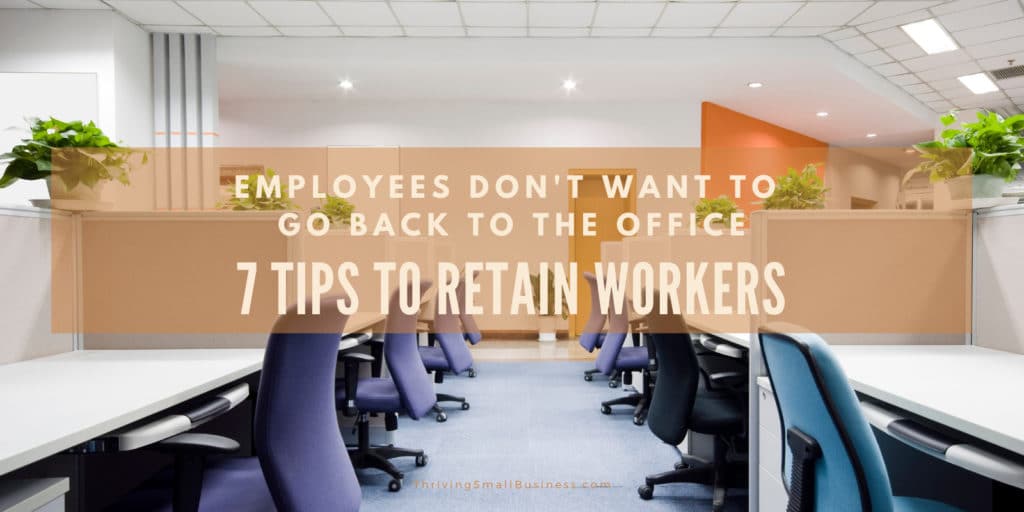
Beautiful How To Retain An Employee Who Wants To Leave Landscape for Desktop
Explore this high-quality how to retain an employee who wants to leave image, perfect for enhancing your desktop or mobile wallpaper.
Gorgeous How To Retain An Employee Who Wants To Leave Background in HD
Immerse yourself in the stunning details of this beautiful how to retain an employee who wants to leave wallpaper, designed for a captivating visual experience.
Mesmerizing How To Retain An Employee Who Wants To Leave Design Illustration
Experience the crisp clarity of this stunning how to retain an employee who wants to leave image, available in high resolution for all your screens.

Captivating How To Retain An Employee Who Wants To Leave Wallpaper in HD
Find inspiration with this unique how to retain an employee who wants to leave illustration, crafted to provide a fresh look for your background.
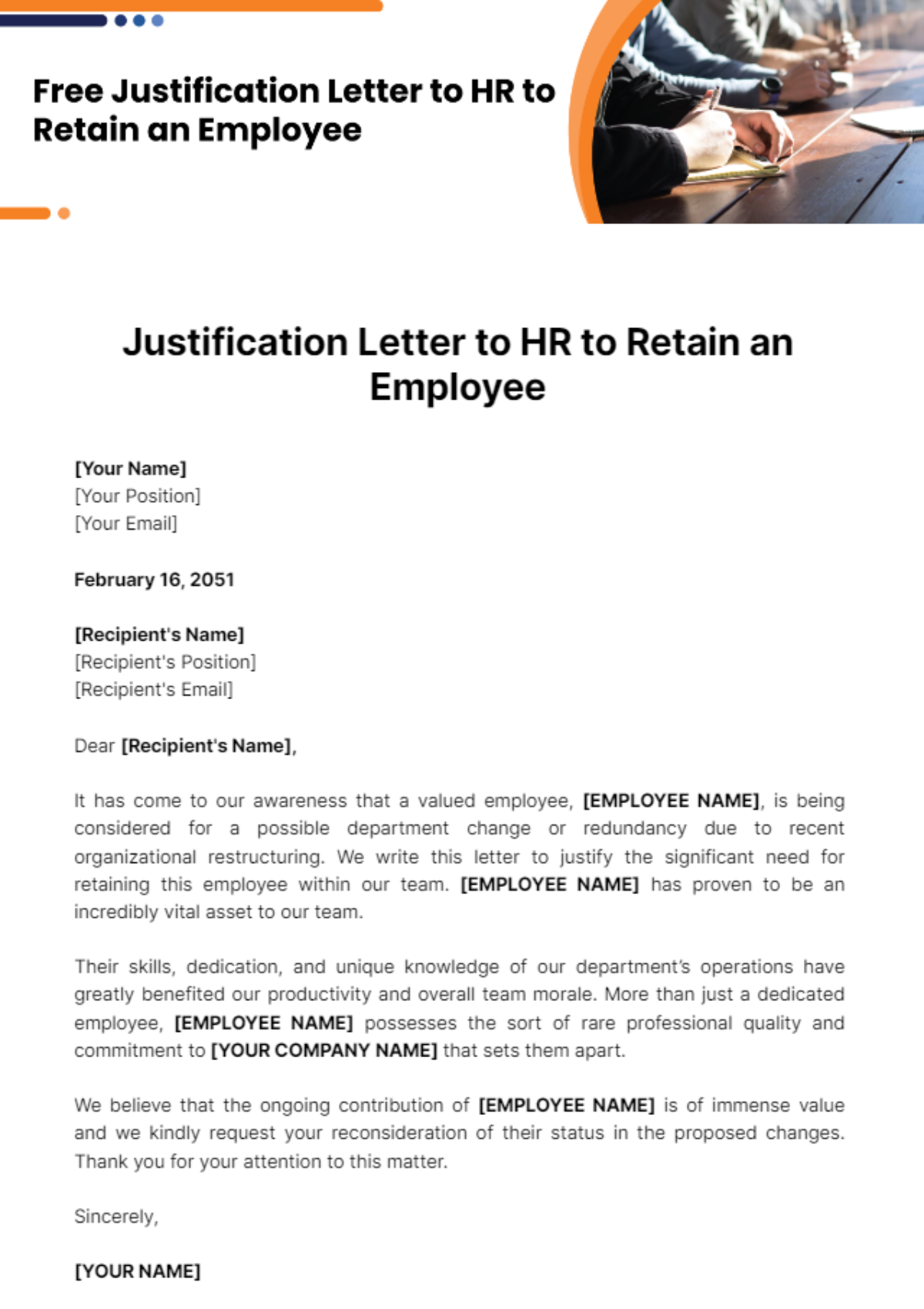
Captivating How To Retain An Employee Who Wants To Leave Background Photography
This gorgeous how to retain an employee who wants to leave photo offers a breathtaking view, making it a perfect choice for your next wallpaper.

Detailed How To Retain An Employee Who Wants To Leave Background for Your Screen
Discover an amazing how to retain an employee who wants to leave background image, ideal for personalizing your devices with vibrant colors and intricate designs.

Vibrant How To Retain An Employee Who Wants To Leave Design for Desktop
Experience the crisp clarity of this stunning how to retain an employee who wants to leave image, available in high resolution for all your screens.

Artistic How To Retain An Employee Who Wants To Leave Capture Concept
A captivating how to retain an employee who wants to leave scene that brings tranquility and beauty to any device.

Mesmerizing How To Retain An Employee Who Wants To Leave View for Desktop
Discover an amazing how to retain an employee who wants to leave background image, ideal for personalizing your devices with vibrant colors and intricate designs.
Download these how to retain an employee who wants to leave wallpapers for free and use them on your desktop or mobile devices.