Reasons People Leave Jobs: Unpacking the Great Resignation Trends
If you're reading this, you are likely either considering making a move, managing a team facing high turnover, or simply curious about why your colleagues suddenly seem to be updating their LinkedIn profiles. Understanding the core reasons people leave jobs isn't just about reviewing exit interviews—it's about recognizing fundamental shifts in employee expectations and the modern workplace dynamic.
The decision to leave a job is rarely based on a single factor. Usually, it's a culmination of frustrations, missed opportunities, and the realization that the grass might truly be greener elsewhere. We're going to dive deep into the primary drivers behind employee departures, offering insight into what employees prioritize today.
The Financial Factor: Compensation and Benefits
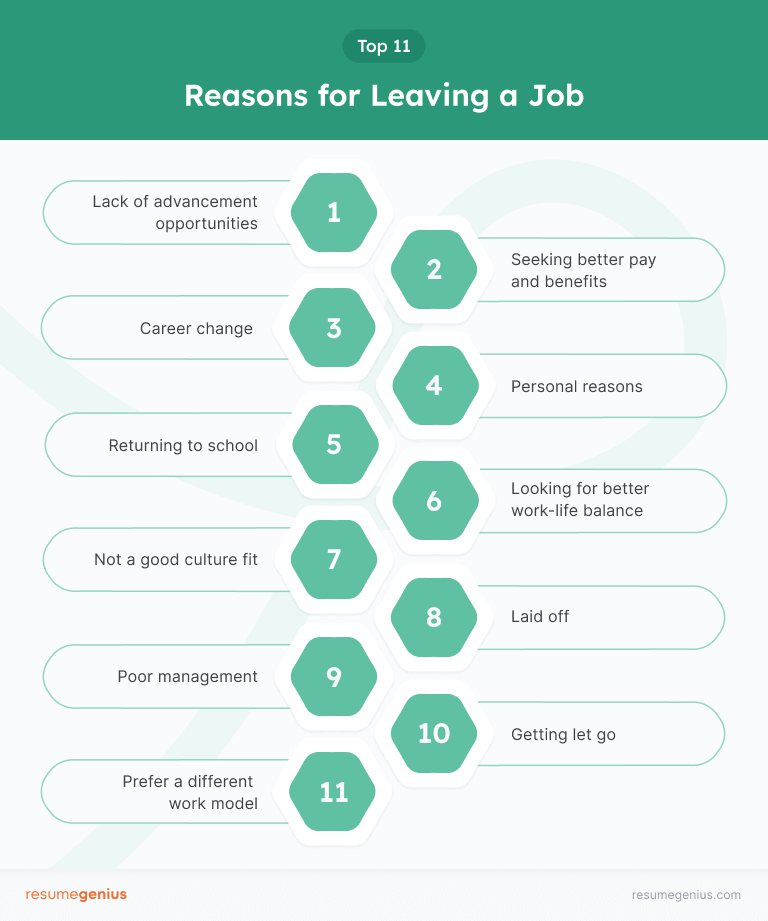
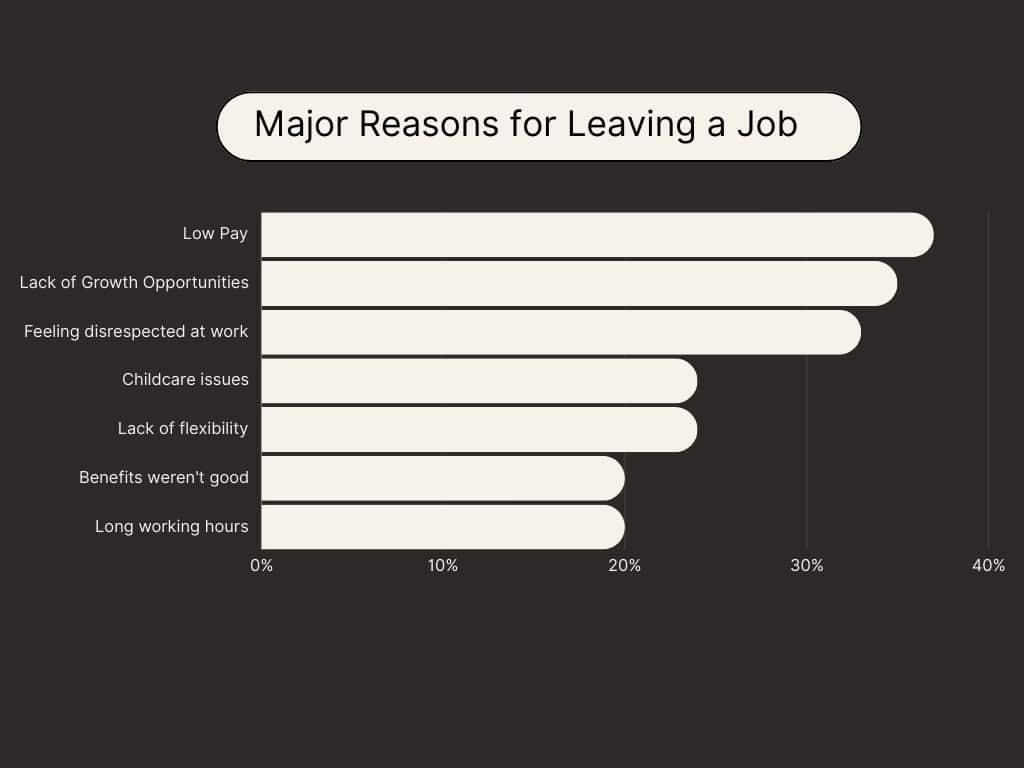
Let's start with the obvious: money matters. While many employees value intangible benefits like culture and flexibility, inadequate compensation remains one of the fastest ways to drive talent away. In an economy where salary transparency is increasing and inflation is a concern, employees are acutely aware if their pay isn't keeping up with market rates or their current workload.
It's not just the base salary; benefits play a massive role. A comprehensive benefits package—including health insurance, retirement plans, and paid time off—can often be the tiebreaker when comparing two similar offers. When a current employer lags significantly in these areas, employees actively seek better opportunities elsewhere.
When Paychecks Don't Match Value
The feeling of being undervalued is a significant contributor to job dissatisfaction. This feeling is frequently quantified through unfair compensation. Employees who consistently perform above expectations, take on new responsibilities, or train junior staff, yet see no monetary recognition, quickly feel resentment.
Annual raises that barely cover inflation are often perceived as non-raises, further fueling the desire to look externally for a substantial salary bump. In fact, seeking a higher salary through a job change is often the quickest and most effective way for an employee to achieve significant financial progression.
Key financial reasons people leave jobs often include:
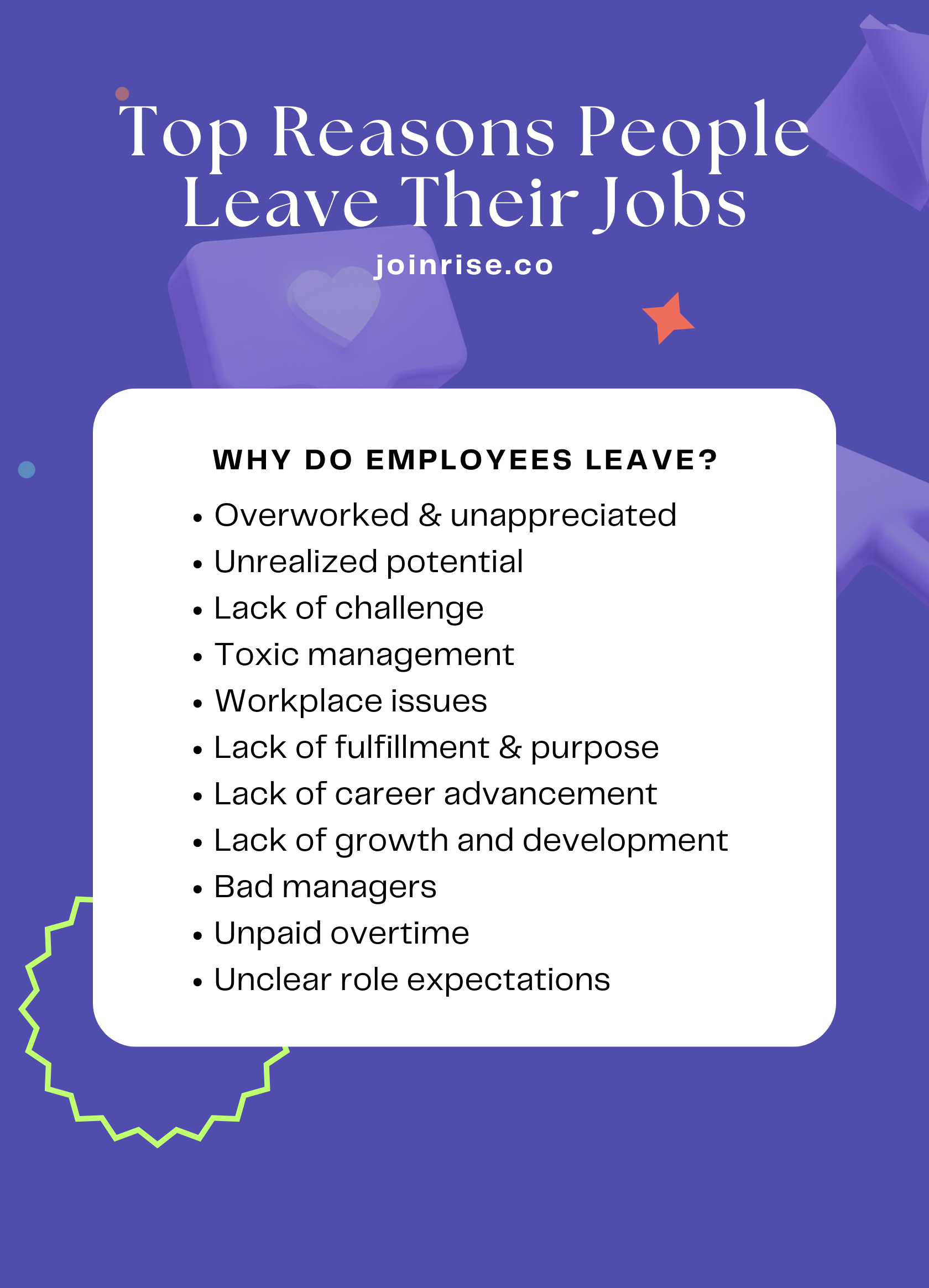
- Compensation significantly below industry benchmarks.
- Lack of clarity regarding promotion criteria and subsequent salary increases.
- Poor or nonexistent annual performance bonuses.
- Benefits packages that require excessive employee contributions (high premiums, limited coverage).
Management and Leadership Issues
There's an old adage: "People don't leave jobs, they leave managers." This remains profoundly true. A dysfunctional relationship with a direct supervisor can make an otherwise enjoyable job unbearable. Managers are the direct interface between the employee and the organization's mission, and when that interface breaks down, retention plummets.
Poor leadership often manifests as micromanagement, lack of trust, or favoritism. Employees want autonomy and respect for their professional judgment. When managers constantly second-guess decisions or fail to provide necessary resources, high performers quickly become disillusioned and seek environments where their expertise is trusted.
Toxic Work Environment and Lack of Support
A toxic culture is a silent killer of employee loyalty. This atmosphere can stem from aggressive competition, bullying, or a management team that ignores internal issues. When employees feel unsafe, stressed, or unsupported by their peers and leaders, their mental and physical health suffers, making staying unsustainable.
Furthermore, employees need to know that if they make a mistake, they will be coached, not punished. A fear-based culture where errors are met with blame rather than learning opportunities stifles innovation and encourages employees to seek refuge in more nurturing environments.
The Role of Poor Communication
Inadequate communication from the top down is another major contributor to the list of reasons people leave jobs. Employees need clarity regarding organizational goals, strategy shifts, and how their specific role contributes to the bigger picture. When communication is sporadic or vague, employees feel disconnected and their purpose becomes unclear.
This issue is compounded when important decisions are made in secret, only to be announced abruptly. This lack of transparency erodes trust and makes employees feel like replaceable cogs in a machine, prompting them to look for companies that treat them as integral partners.
Lack of Growth and Career Development
For ambitious employees, stagnation is a dealbreaker. If they don't see a clear path forward within their current organization—be it through promotions, lateral movement, or skill development—they will look externally for opportunities that offer that upward trajectory. Career development is no longer a fringe benefit; it's an expectation.
Companies that fail to invest in training, mentorship programs, or tuition reimbursement signal to their staff that their future professional growth is not a priority. Consequently, talented individuals often view their current role as merely a stepping stone, preparing them for the next, better opportunity.
Hitting a Career Plateau
A career plateau occurs when an employee feels they have maximized their potential in their current role and there are no immediate, challenging opportunities available. This often happens in smaller companies with rigid hierarchies or companies experiencing slow growth.
When employees are consistently performing repetitive tasks without new challenges or skill acquisition, boredom sets in. This boredom rapidly translates into disengagement and a desire for novelty. They realize that to move to the next level, they must find an organization with more structural opportunity.
Signs an employee might be leaving due to a career plateau:
- They frequently ask for external training courses or certifications.
- They show high engagement in cross-departmental projects, seeking variety.
- They express frustration that a role above theirs hasn't opened up after a long waiting period.
- They feel their current role does not utilize their full set of skills and experience.
Work-Life Balance Erosion
In the post-pandemic world, flexibility and work-life balance have become paramount. The expectation that employees must constantly be "on call" or routinely work excessive hours is no longer tolerated by many professionals. Employees are making conscious choices to prioritize personal time, family, and mental health.
Companies that mandate strict in-office attendance or fail to provide flexible working arrangements when competitors offer them are placing themselves at a serious disadvantage. Flexibility is often seen as a benefit that can sometimes outweigh minor differences in salary.
The Silent Burnout Epidemic
Chronic overwork leads directly to burnout, which is arguably the most destructive of all reasons people leave jobs. Burnout is characterized by emotional exhaustion, depersonalization, and reduced personal accomplishment. It's not just feeling tired; it's feeling completely depleted and cynical about the work itself.
High workloads combined with insufficient resources or unreasonable deadlines are major culprits. Furthermore, organizations that normalize working late or celebrate "hustle culture" without providing necessary recovery time are setting their employees up for failure and guaranteed departures.
Many employees today recognize the signs of burnout early and proactively seek roles with manageable workloads and a culture that respects boundaries, understanding that their well-being must come first.
Conclusion: Addressing the Root Causes of Departure
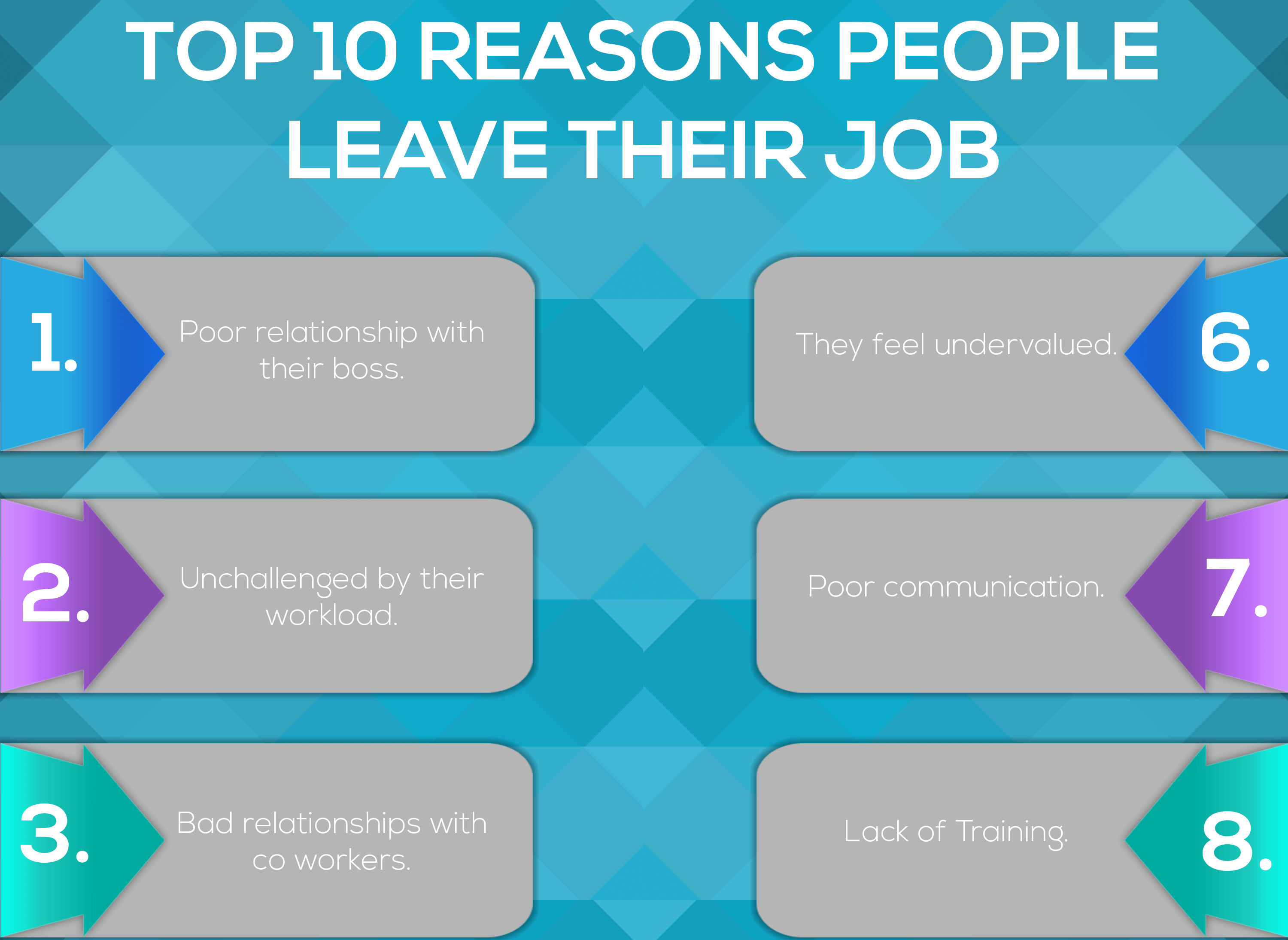
The core reasons people leave jobs can be boiled down to feeling undervalued, unsupported, or stifled. Whether the issue is inadequate compensation, toxic management, or a complete lack of work-life balance, these factors all converge to push talented individuals out the door.
For organizations looking to boost retention, the solution lies in continuous evaluation of their internal culture, ensuring fair market compensation, investing heavily in manager training, and providing tangible paths for employee growth. By proactively addressing these common pain points, companies can transform themselves from temporary stepping stones into long-term career destinations.
Frequently Asked Questions (FAQ) About Employee Turnover
- What is the single biggest reason people quit their jobs?
- While financial compensation is critical, studies consistently show that poor management and a toxic workplace culture are the most cited reasons people leave jobs. Employees can often tolerate slightly lower pay if they feel respected and supported by their direct supervisor.
- How important is remote work flexibility in reducing turnover?
- Extremely important. Flexibility (remote, hybrid, or simply flexible hours) is now often considered a non-negotiable benefit. Companies that offer greater autonomy over where and when work is done generally experience higher retention rates and greater employee satisfaction.
- Can providing more training stop high performers from leaving?
- Yes, absolutely. High performers are often driven by continuous learning and achievement. Providing access to advanced training, mentorship, and clear opportunities for promotion demonstrates an investment in their future, making them less likely to look externally for career advancement.
- At what point should an employee decide to quit?
- An employee should seriously consider quitting when their current role consistently negatively impacts their mental or physical health, when they have hit a career dead end with no path for growth, or when external market research shows they are severely underpaid relative to their experience and responsibility.
Reasons People Leave Jobs
Reasons People Leave Jobs Wallpapers
Collection of reasons people leave jobs wallpapers for your desktop and mobile devices.

Detailed Reasons People Leave Jobs Moment in 4K
Explore this high-quality reasons people leave jobs image, perfect for enhancing your desktop or mobile wallpaper.
Crisp Reasons People Leave Jobs Background in HD
Find inspiration with this unique reasons people leave jobs illustration, crafted to provide a fresh look for your background.
Mesmerizing Reasons People Leave Jobs Background Illustration
Explore this high-quality reasons people leave jobs image, perfect for enhancing your desktop or mobile wallpaper.

Spectacular Reasons People Leave Jobs Background for Desktop
A captivating reasons people leave jobs scene that brings tranquility and beauty to any device.

Lush Reasons People Leave Jobs Picture in HD
Immerse yourself in the stunning details of this beautiful reasons people leave jobs wallpaper, designed for a captivating visual experience.

Amazing Reasons People Leave Jobs Abstract Nature
Explore this high-quality reasons people leave jobs image, perfect for enhancing your desktop or mobile wallpaper.
Beautiful Reasons People Leave Jobs View Illustration
Discover an amazing reasons people leave jobs background image, ideal for personalizing your devices with vibrant colors and intricate designs.

Gorgeous Reasons People Leave Jobs Wallpaper Collection
Immerse yourself in the stunning details of this beautiful reasons people leave jobs wallpaper, designed for a captivating visual experience.

Lush Reasons People Leave Jobs Moment Digital Art
Immerse yourself in the stunning details of this beautiful reasons people leave jobs wallpaper, designed for a captivating visual experience.

Beautiful Reasons People Leave Jobs Artwork Nature
Experience the crisp clarity of this stunning reasons people leave jobs image, available in high resolution for all your screens.
High-Quality Reasons People Leave Jobs Photo Digital Art
Discover an amazing reasons people leave jobs background image, ideal for personalizing your devices with vibrant colors and intricate designs.

Crisp Reasons People Leave Jobs Photo Collection
A captivating reasons people leave jobs scene that brings tranquility and beauty to any device.
Lush Reasons People Leave Jobs Landscape for Desktop
Immerse yourself in the stunning details of this beautiful reasons people leave jobs wallpaper, designed for a captivating visual experience.

Lush Reasons People Leave Jobs Landscape Nature
A captivating reasons people leave jobs scene that brings tranquility and beauty to any device.

Gorgeous Reasons People Leave Jobs Artwork Photography
This gorgeous reasons people leave jobs photo offers a breathtaking view, making it a perfect choice for your next wallpaper.
Vivid Reasons People Leave Jobs Photo Digital Art
Discover an amazing reasons people leave jobs background image, ideal for personalizing your devices with vibrant colors and intricate designs.

Spectacular Reasons People Leave Jobs Moment Collection
Immerse yourself in the stunning details of this beautiful reasons people leave jobs wallpaper, designed for a captivating visual experience.

Beautiful Reasons People Leave Jobs Image for Desktop
Experience the crisp clarity of this stunning reasons people leave jobs image, available in high resolution for all your screens.

Beautiful Reasons People Leave Jobs Artwork Nature
Experience the crisp clarity of this stunning reasons people leave jobs image, available in high resolution for all your screens.
Spectacular Reasons People Leave Jobs Landscape for Your Screen
A captivating reasons people leave jobs scene that brings tranquility and beauty to any device.
Download these reasons people leave jobs wallpapers for free and use them on your desktop or mobile devices.