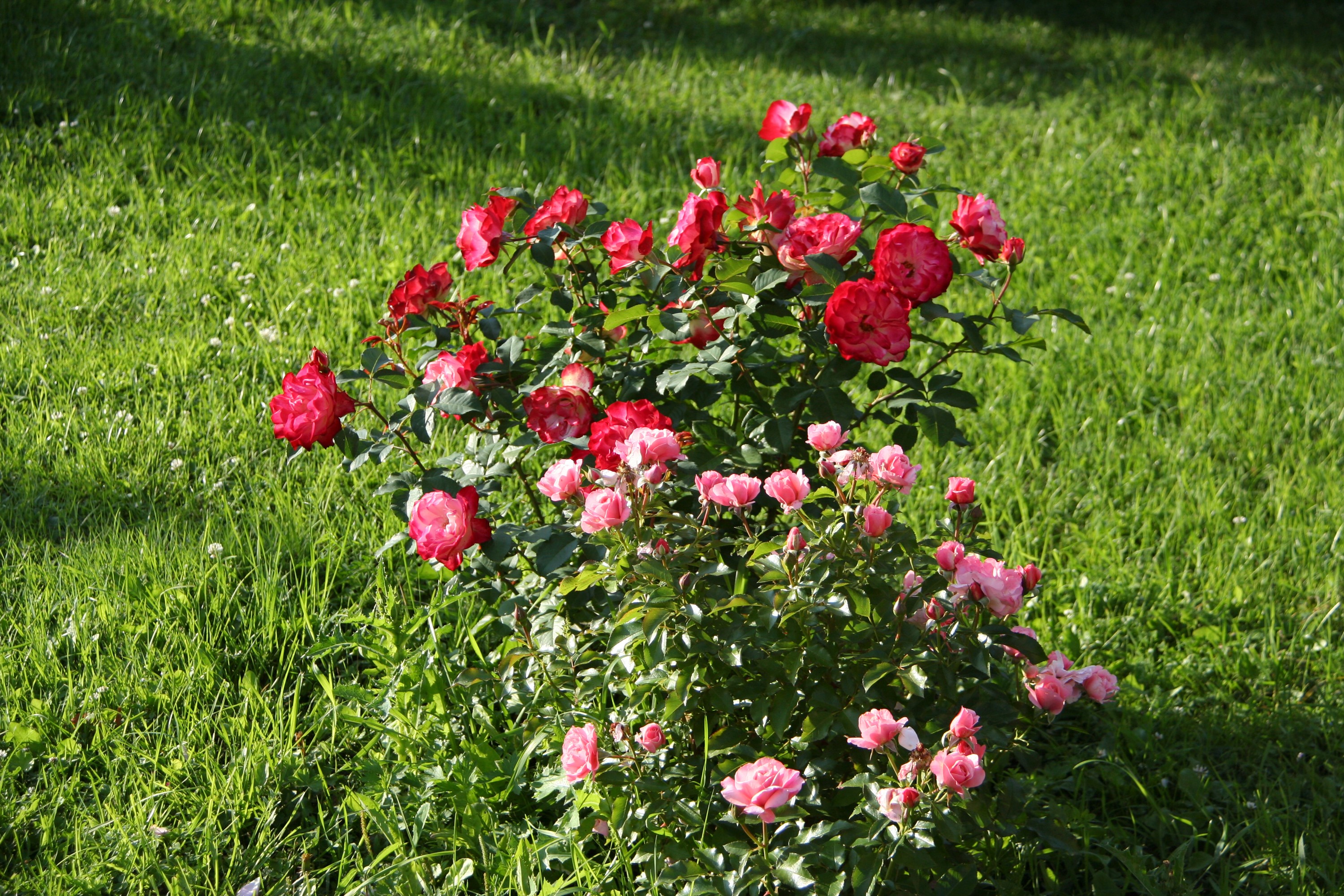
What Type Of Rose Bush Do I Have?
Ever gazed at your beautiful rose bush and wondered, "What type of rose bush do I have?" You're not alone! It's a common question among garden enthusiasts, from seasoned pros to curious beginners. Identifying your rose can be a fun and rewarding detective mission, opening up a world of knowledge about its specific care, history, and unique characteristics. Let's embark on this journey together to uncover the secrets of your blooming beauty!
Understanding what type of rose bush you have isn't just about satisfying curiosity; it's genuinely helpful for providing the best care. Different rose types have varying needs when it comes to pruning, feeding, and even their preferred growing conditions. So, let's grab our magnifying glass and start observing!
Why Identify Your Rose Bush?
Knowing what type of rose bush you have brings several benefits. Firstly, it allows you to tailor your care routine precisely. You'll learn the best time and method for pruning, how much water it truly needs, and the ideal fertilizer for its specific growth habits.
Beyond practical care, identification connects you more deeply with your garden. It's exciting to learn the name, origin, and characteristics of a plant you've lovingly tended. This knowledge can also help you choose compatible companion plants or expand your rose collection with similar varieties that you know will thrive.
First Steps to Becoming a Rose Detective
The key to identifying your rose is careful observation. You'll need to pay close attention to several features throughout its growing cycle, especially when it's in bloom. Don't rush this process; take your time to note every detail.
It's helpful to take photos from different angles – close-ups of blooms, leaves, and thorns, as well as a full shot of the entire plant. These visual records will be invaluable as you compare your rose to known types. So, let's start with the most obvious and beautiful feature: the flowers themselves.
Observe the Blooms
The flowers are often the first clue when you're trying to figure out "what type of rose bush do I have." Their appearance can tell you a lot about your rose's identity. Take note of these specific details:
- Color: Is it a solid color, bi-color, or does it change hue as it ages?
- Size: Are the blooms tiny, medium, or very large?
- Petal Count: Do they have just a few petals (single), a moderate amount (semi-double), or are they packed with many petals (double or very double)?
- Fragrance: Is it strong, mild, fruity, spicy, or tea-like?
- Bloom Form: How are the petals arranged? Are they pointed (hybrid tea form), cupped, quartered, flat, or rosette-like?
- Blooming Habit: Does it produce single flowers on long stems, or do they appear in clusters (floribunda style)? Does it bloom once a year or repeatedly throughout the season?
Examine the Leaves and Stems
Don't overlook the foliage and structure of the plant! These features offer crucial hints about what type of rose bush you have. Healthy leaves and stems are just as distinctive as the flowers.
- Leaflet Count: Most roses have compound leaves, meaning multiple smaller leaflets make up one leaf. Count how many leaflets are typically on a single leaf stem (usually 5 or 7, but can vary).
- Leaf Shape and Texture: Are they glossy or matte? Smooth or crinkled? Oval, pointed, or rounded?
- Thorns (Prickles): Examine their size, shape (straight, hooked, slender, broad-based), color, and density along the stem. Are they sparse or very numerous?
- New Growth: What color are the new leaves or stems? Some roses have reddish new growth that matures to green.
Look at the Growth Habit
The overall shape and size of your rose bush provide an excellent framework for identification. This is about observing its general behavior and stature in your garden. How does it grow?
- Bushy and Upright: Does it form a relatively compact, rounded shrub?
- Tall and Slender: Does it produce long, stiff stems ideal for cutting, often with a more open structure?
- Sprawling or Spreading: Does it grow wider than it is tall, perhaps sending out long canes along the ground?
- Climbing: Does it have very long, flexible canes that need support to grow upwards?
- Miniature: Is the entire plant, including leaves and flowers, noticeably small?
- Tree-like (Standard): Is it grafted onto a tall, straight stem, resembling a small tree? (Note: this is a trained form, not a natural growth habit of the rose itself).
Common Rose Types You Might Have
Now that you've gathered your observations, let's explore some of the most common categories of roses. Comparing your notes to these descriptions will help narrow down "what type of rose bush do I have" significantly. Remember, some roses can blur the lines between categories, but these are good starting points.
Hybrid Tea Roses
These are perhaps the most iconic roses, known for their elegant, long-stemmed blooms. If your rose produces large, high-centered flowers, usually one per stem, with a classic rose shape, you might have a Hybrid Tea. They are often fragrant and come in a wide array of colors, making them popular for cutting.
Hybrid Teas typically grow as upright, somewhat stiff bushes, often reaching 3-6 feet tall. Their foliage is usually dark green and glossy. They are repeat bloomers, gracing your garden with flushes of flowers throughout the season.
Floribunda Roses
Floribundas are known for their abundant clusters of blooms, creating a dazzling display of color. Instead of single flowers, you'll see sprays of smaller, often double, blossoms. They are usually more compact and bushier than Hybrid Teas.
These roses are fantastic for mass plantings, borders, and hedges due to their continuous blooming and generally good disease resistance. They are a cross between Hybrid Teas and Polyantha roses, inheriting the best qualities of both.
Grandiflora Roses
Grandifloras bridge the gap between Hybrid Teas and Floribundas. They combine the elegance of Hybrid Tea blooms with the cluster-flowering habit of Floribundas. You'll typically find large, classic-shaped flowers, often in clusters of three to five, on long stems.
They tend to be tall, vigorous, and upright bushes. If your rose has large, beautiful blooms but consistently produces them in small clusters, it could very well be a Grandiflora.
Climbing Roses
If your rose sends out long, arching canes that reach for the sky (or your trellis!), you likely have a climbing rose. These roses don't actually "climb" on their own; their long, flexible canes need to be tied and supported. They can grow anywhere from 6 to 20 feet or more, depending on the variety.
Climbers produce flowers in various forms, from single to very double, and can bloom repeatedly or once a season. They are perfect for covering walls, arbors, pergolas, and fences, adding dramatic vertical interest to your garden.
Shrub Roses
This is a broad category encompassing a wide variety of roses that generally form large, bushy plants. Shrub roses are often known for their hardiness, disease resistance, and continuous blooming. They are less formal than Hybrid Teas and more about garden impact.
Their size can range from 4-foot compact bushes to sprawling specimens over 10 feet tall. Blooms come in all shapes, sizes, and colors. If your rose doesn't neatly fit into the other categories but forms a substantial, hardy bush, it's likely a shrub rose.
David Austin English Roses
A very popular and recognizable sub-category of shrub roses are David Austin's English Roses. These combine the charm and strong fragrance of old garden roses with the repeat-flowering and disease resistance of modern roses. They often have deeply cupped, many-petaled blooms with a distinct "old rose" look.
English Roses are renowned for their incredible fragrances and lush, romantic appearance. They can grow into substantial bushes or even be trained as short climbers, making them versatile garden additions.
Groundcover/Landscape Roses
These roses are characterized by their low-growing, spreading habit. They are often very vigorous, disease-resistant, and produce masses of flowers continuously throughout the season. Their purpose is to cover ground, suppress weeds, and provide widespread color.
If your rose is less than 3 feet tall and spreads outwards, creating a colorful carpet, it's probably a groundcover rose. They require minimal maintenance and are excellent for slopes, large beds, or softening hard edges.
Miniature Roses
As their name suggests, miniature roses are simply smaller versions of their larger cousins. Everything about them – the blooms, leaves, and stems – is scaled down. They typically grow only 6 inches to 2 feet tall.
Despite their diminutive size, they are true roses, often with perfectly formed, tiny blooms. They are wonderful for containers, window boxes, rock gardens, and edging, bringing a delicate touch to any space.
Old Garden Roses
This category includes roses that existed before 1867, a significant year in rose breeding. Old Garden Roses are celebrated for their intense fragrance, charming flower forms (often cupped, quartered, or rosette), and historical significance. They are incredibly diverse.
Examples include Damask, Gallica, Alba, Centifolia, Bourbon, and Moss roses. Many bloom once in late spring/early summer, but some, like Bourbons, can repeat. They often have a natural, graceful shrub form and exhibit good hardiness.
When in Doubt: Seek Expert Help
Sometimes, even with all your careful observations, identifying your rose can be tricky. Don't get discouraged! Roses have a vast and complex family tree, and many varieties share similar characteristics. If you're still pondering "what type of rose bush do I have," it's time to call in the experts.
Your local nursery or garden center often has staff knowledgeable about regional rose varieties. You can also contact a local rose society; these enthusiasts live and breathe roses and are usually delighted to help. Online forums and communities are another excellent resource. When asking for help, always provide clear, detailed photos of the whole plant, individual blooms, leaves, and thorns.
Conclusion
Identifying what type of rose bush you have is a journey of discovery that enhances your gardening experience. By carefully observing the blooms, leaves, thorns, and overall growth habit of your rose, you can narrow down its classification. Whether it's an elegant Hybrid Tea, a floriferous Floribunda, a sprawling Groundcover, or a romantic Old Garden Rose, each type brings its own unique charm and specific care requirements.
Remember, the process is as rewarding as the answer itself. Enjoy becoming a rose detective, and let your newfound knowledge deepen your appreciation for these timeless beauties. Happy gardening, and may your rose identification mission be a blooming success!
FAQ
- What's the easiest way to identify a rose type?
- The easiest way is to observe its bloom form and whether it produces single flowers or clusters. Also, noting its overall growth habit (bushy, climbing, spreading) is a big clue.
- Do all roses have thorns?
- Most roses have thorns (botanically called prickles), but some varieties are nearly thornless. The presence and type of thorns can be a useful identification characteristic.
- Can I identify a rose by its fragrance alone?
- While fragrance is a strong characteristic, it's rarely enough for definitive identification. Many roses share similar scents, so it should be used in conjunction with other features like bloom and growth habit.
- What if my rose doesn't fit neatly into one category?
- Many modern roses are complex hybrids and might exhibit characteristics of multiple categories. The categories are guides, not rigid boxes. Focus on the predominant traits and don't worry if it's not a perfect match.
- When is the best time to identify my rose?
- The best time is when it's in full bloom, allowing you to observe flower characteristics, and when it has mature foliage and has established its full growth habit. Observe it over a season if possible for repeat blooming information.
Types Of Rose Shrubs
Types Of Rose Shrubs Wallpapers
Collection of types of rose shrubs wallpapers for your desktop and mobile devices.
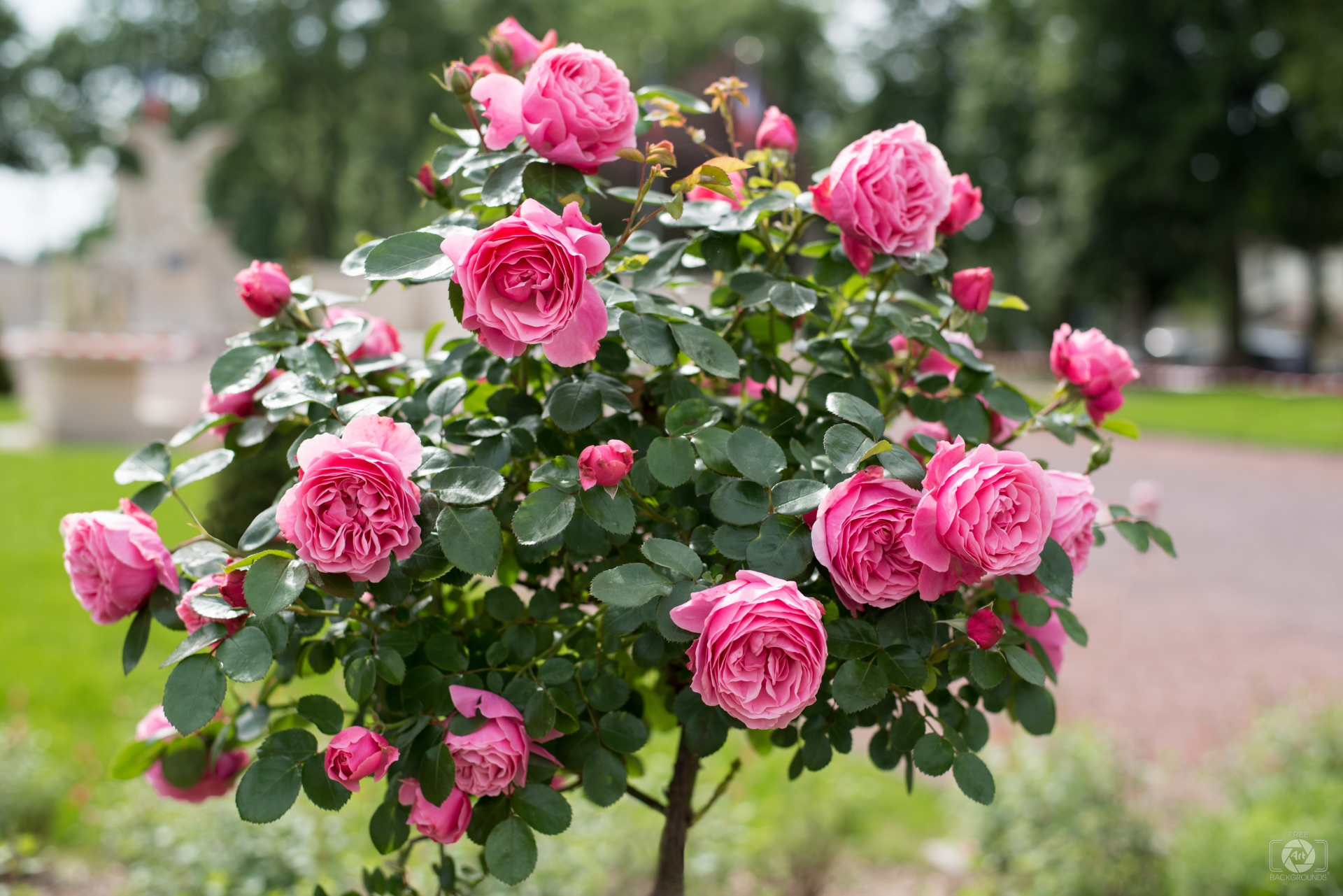
Beautiful Types Of Rose Shrubs Background for Desktop
Transform your screen with this vivid types of rose shrubs artwork, a true masterpiece of digital design.
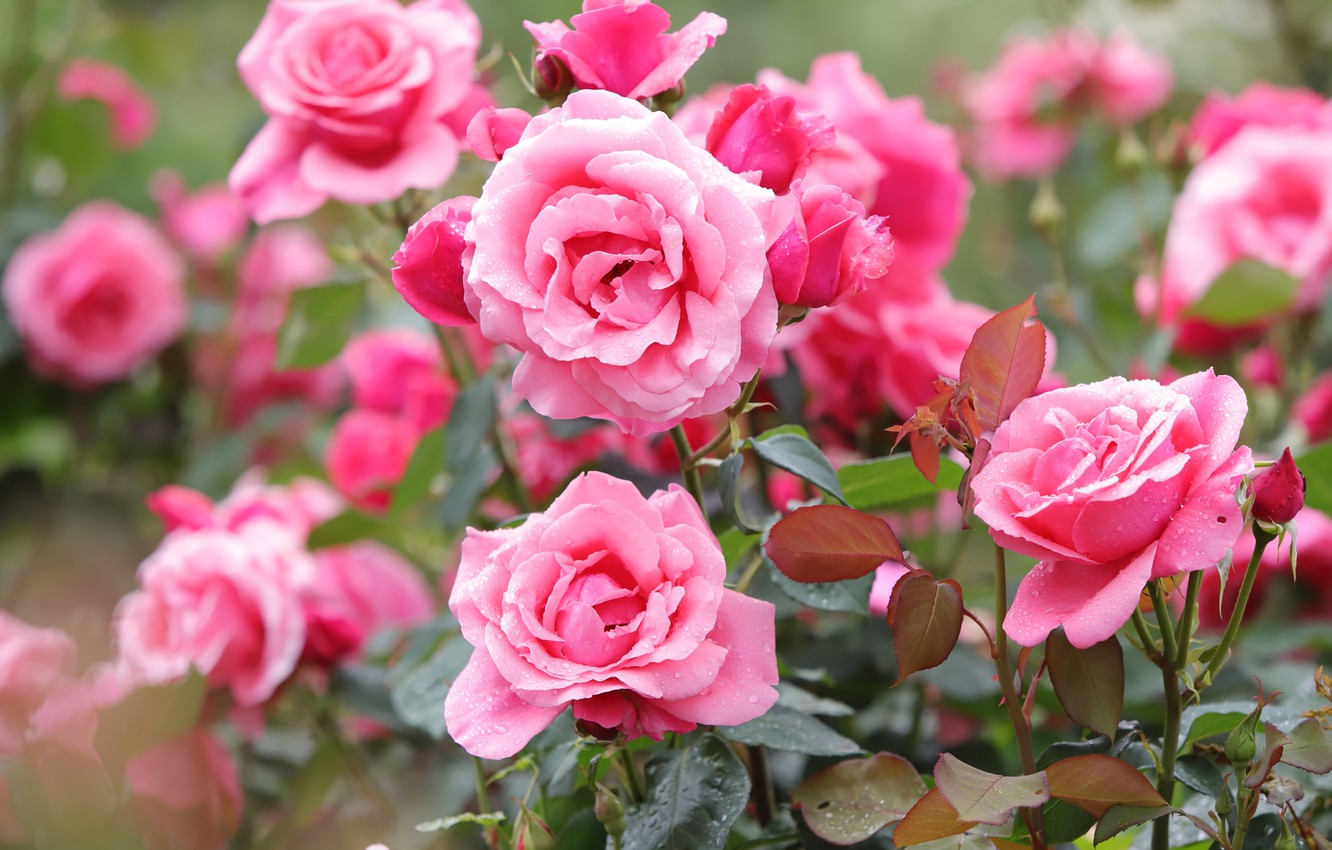
Vibrant Types Of Rose Shrubs Wallpaper Illustration
Discover an amazing types of rose shrubs background image, ideal for personalizing your devices with vibrant colors and intricate designs.
:strip_icc()/red-roses-in-garden-b22bfee8-b95cf5f9a2fe458da328601ad980c7bf.jpg "Serene Types Of Rose Shrubs Picture Photography")
Serene Types Of Rose Shrubs Picture Photography
Experience the crisp clarity of this stunning types of rose shrubs image, available in high resolution for all your screens.
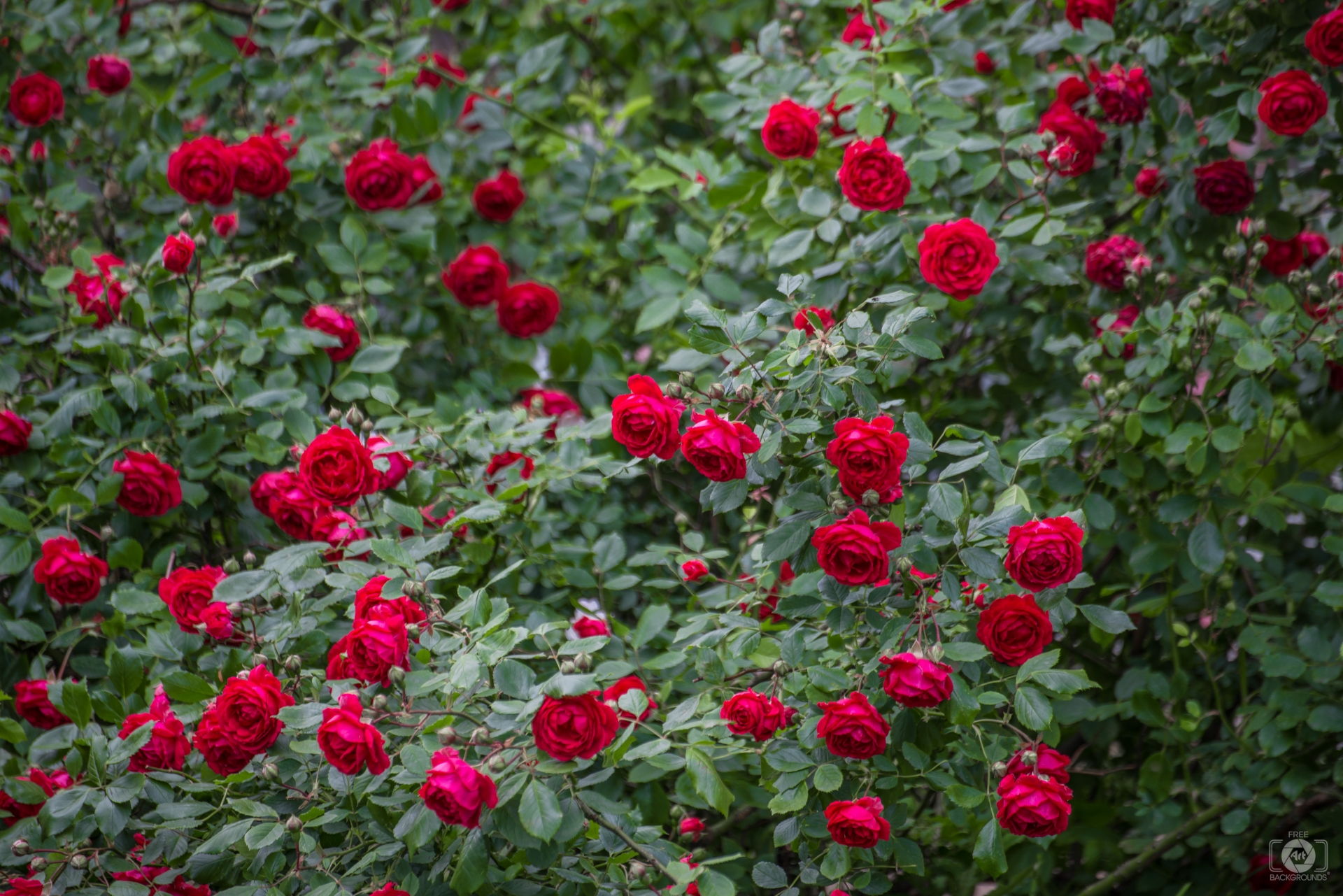
Lush Types Of Rose Shrubs Design for Desktop
Immerse yourself in the stunning details of this beautiful types of rose shrubs wallpaper, designed for a captivating visual experience.

Stunning Types Of Rose Shrubs Landscape in HD
A captivating types of rose shrubs scene that brings tranquility and beauty to any device.
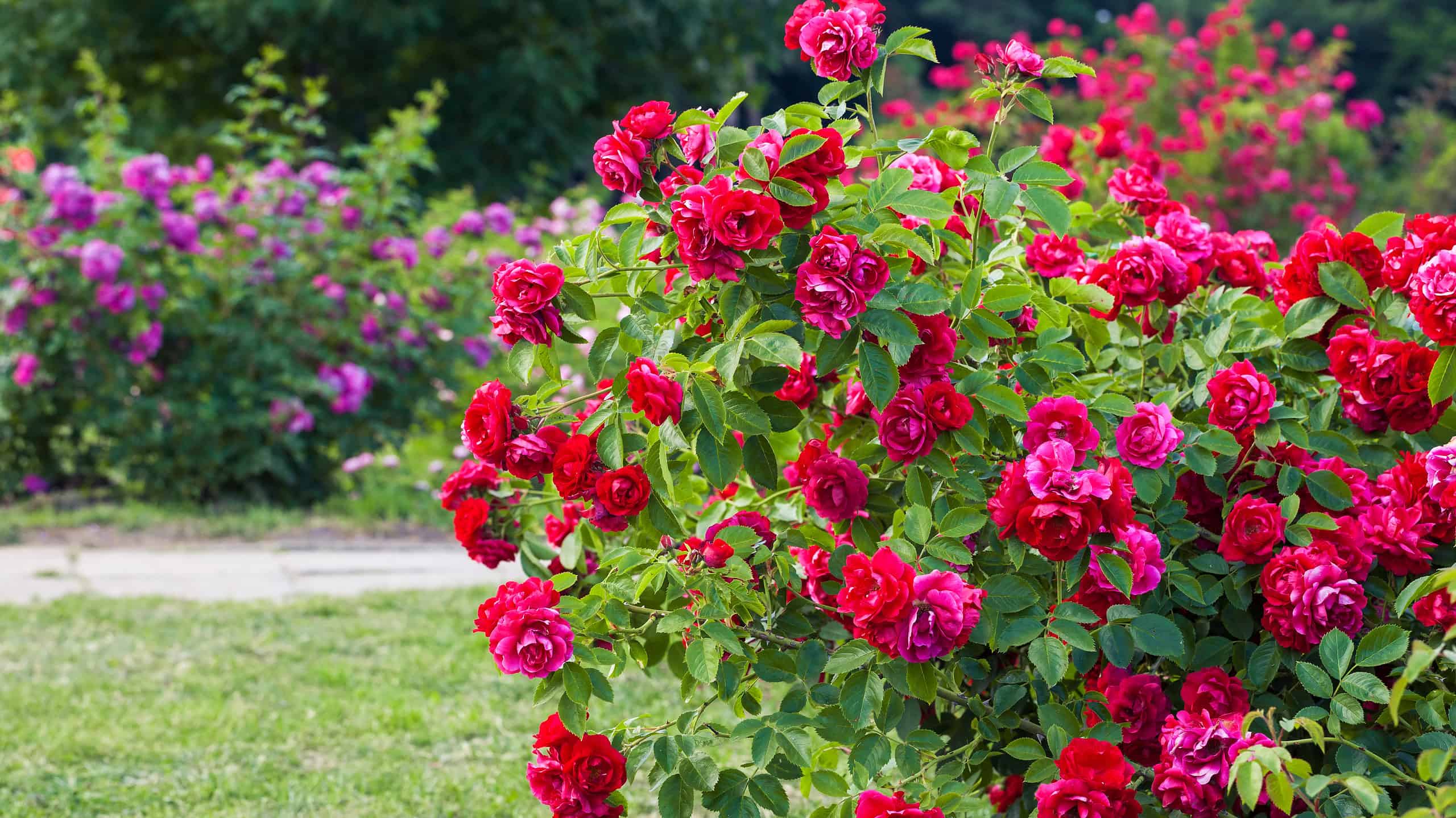
Breathtaking Types Of Rose Shrubs Artwork Collection
Discover an amazing types of rose shrubs background image, ideal for personalizing your devices with vibrant colors and intricate designs.
/easy-to-grow-rose-bushes-4083294-hero-e8fe965459494266a06071f15f24eba7.jpg "Mesmerizing Types Of Rose Shrubs Background Concept")
Mesmerizing Types Of Rose Shrubs Background Concept
Experience the crisp clarity of this stunning types of rose shrubs image, available in high resolution for all your screens.

Detailed Types Of Rose Shrubs Moment Art
Discover an amazing types of rose shrubs background image, ideal for personalizing your devices with vibrant colors and intricate designs.
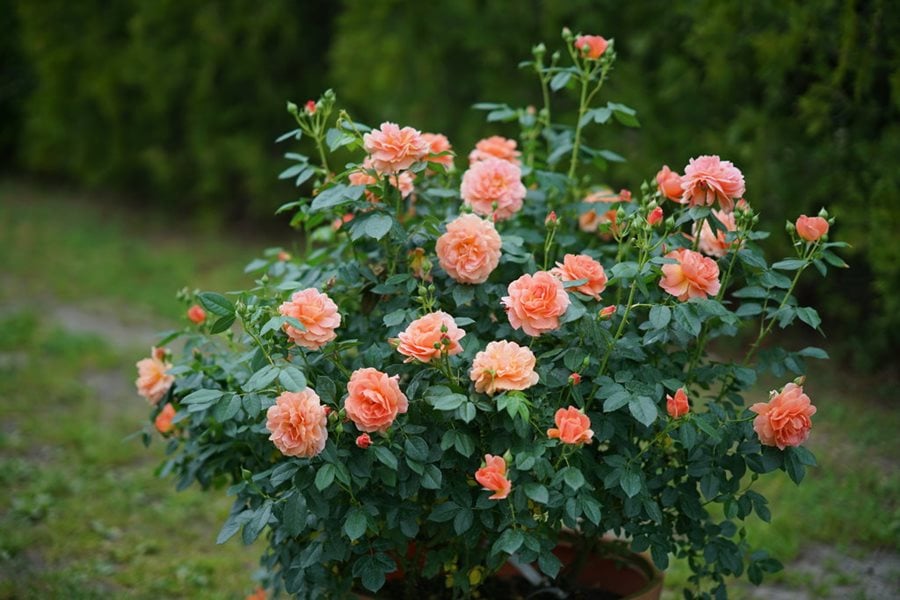
Beautiful Types Of Rose Shrubs Image Illustration
Explore this high-quality types of rose shrubs image, perfect for enhancing your desktop or mobile wallpaper.

Lush Types Of Rose Shrubs Capture Photography
A captivating types of rose shrubs scene that brings tranquility and beauty to any device.
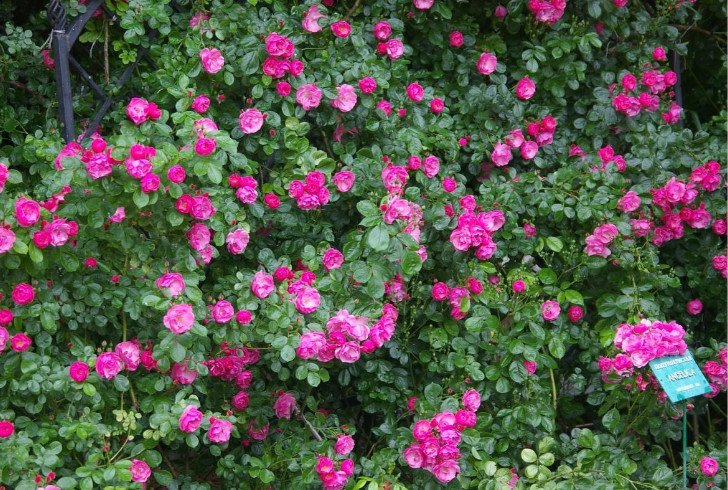
Lush Types Of Rose Shrubs Scene for Desktop
Immerse yourself in the stunning details of this beautiful types of rose shrubs wallpaper, designed for a captivating visual experience.
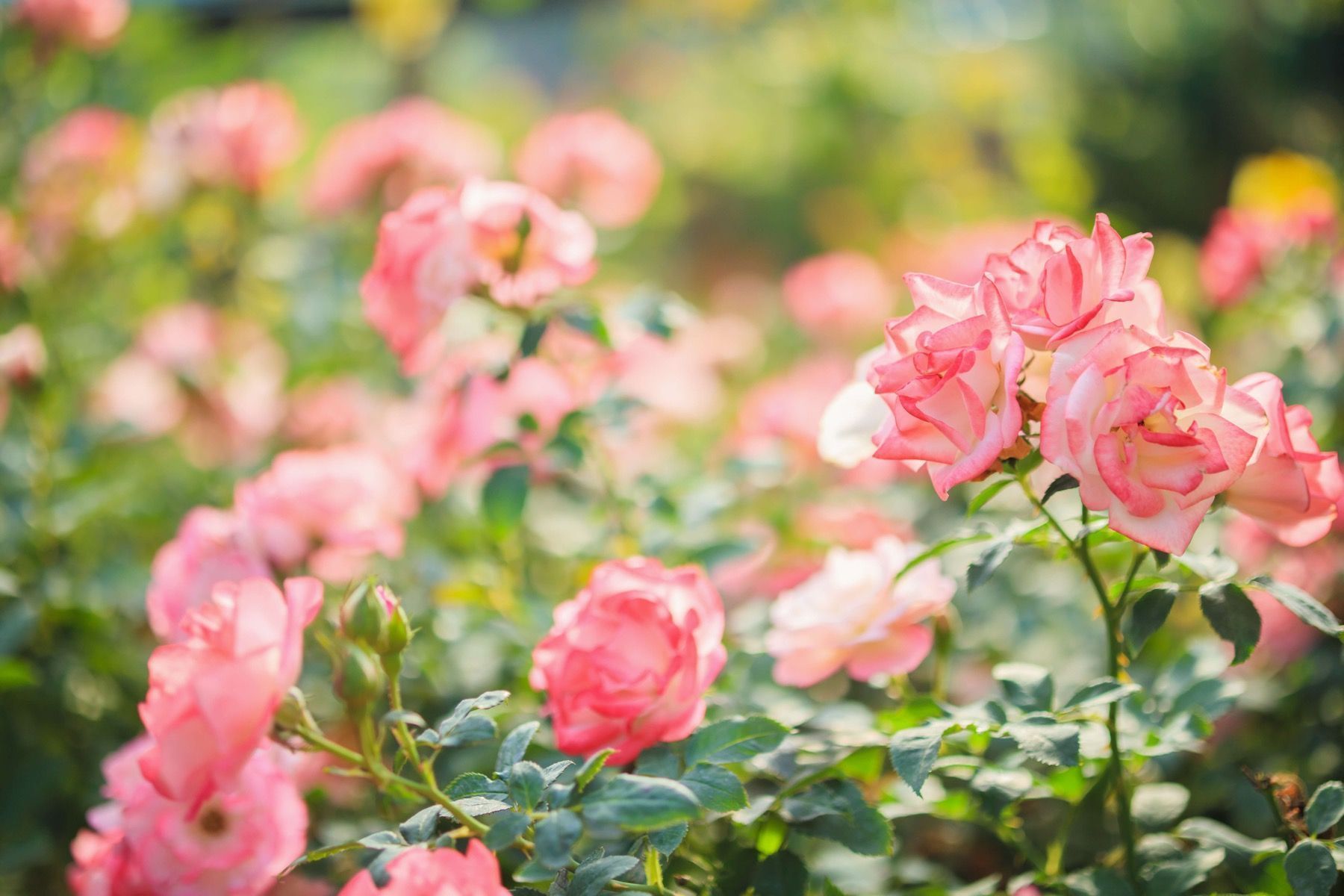
Exquisite Types Of Rose Shrubs Picture in HD
A captivating types of rose shrubs scene that brings tranquility and beauty to any device.

Gorgeous Types Of Rose Shrubs Photo Nature
A captivating types of rose shrubs scene that brings tranquility and beauty to any device.
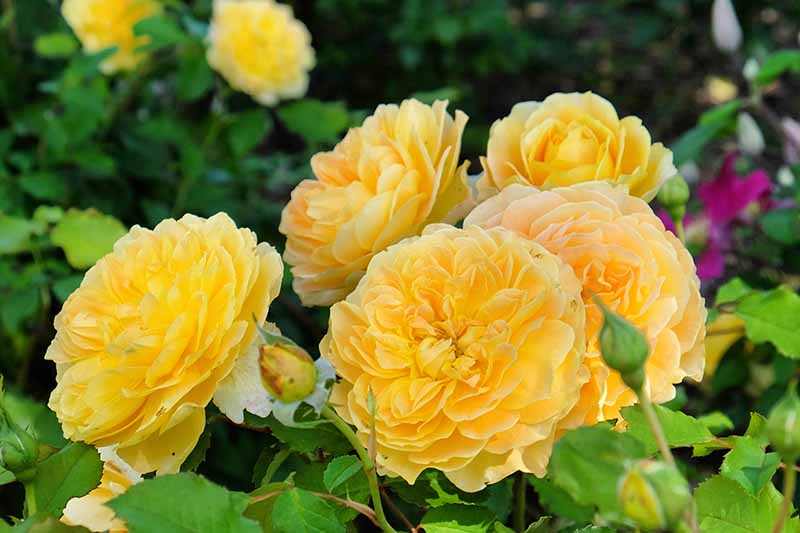
Serene Types Of Rose Shrubs Capture for Mobile
Discover an amazing types of rose shrubs background image, ideal for personalizing your devices with vibrant colors and intricate designs.
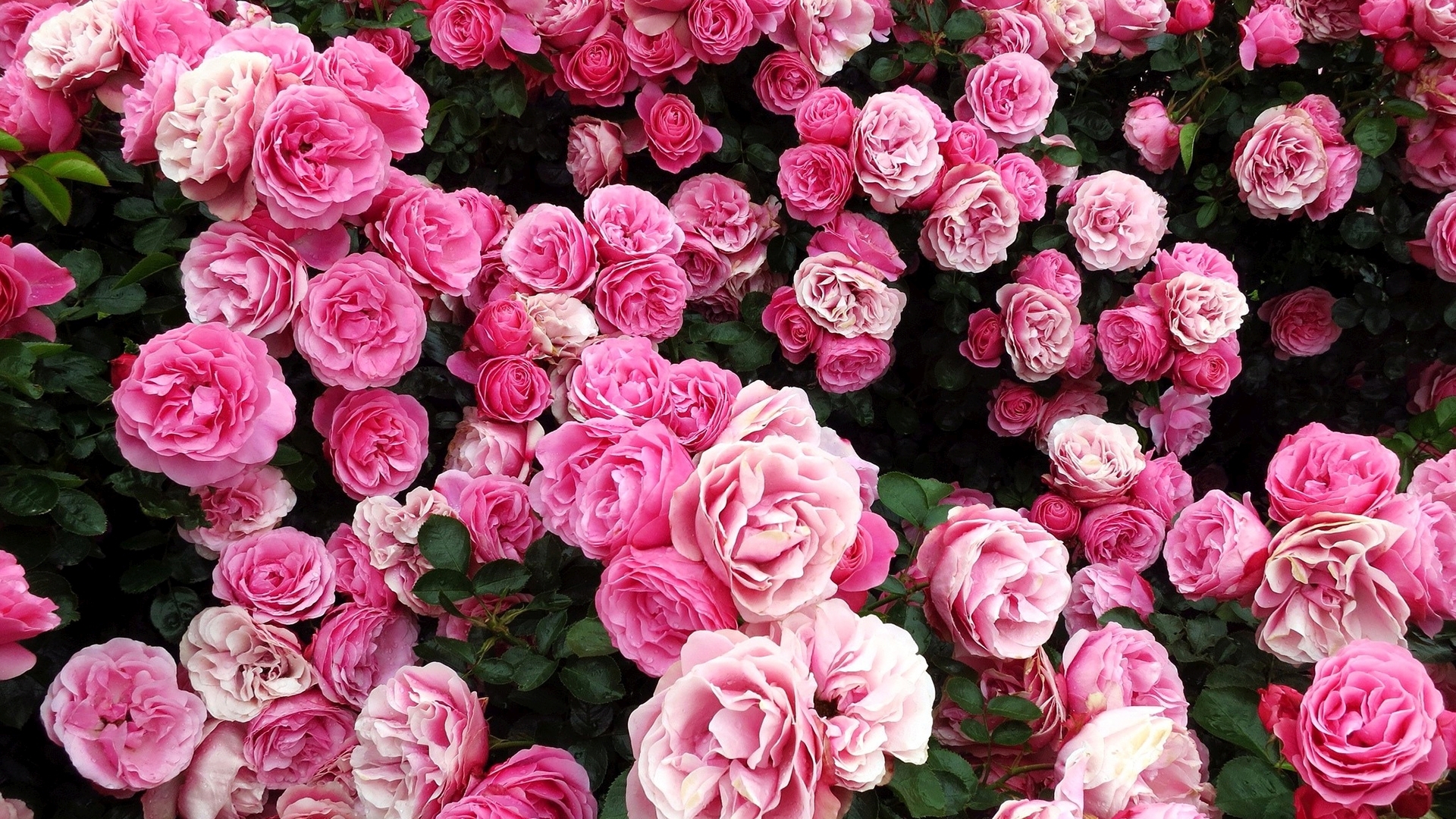
Dynamic Types Of Rose Shrubs Landscape Nature
This gorgeous types of rose shrubs photo offers a breathtaking view, making it a perfect choice for your next wallpaper.
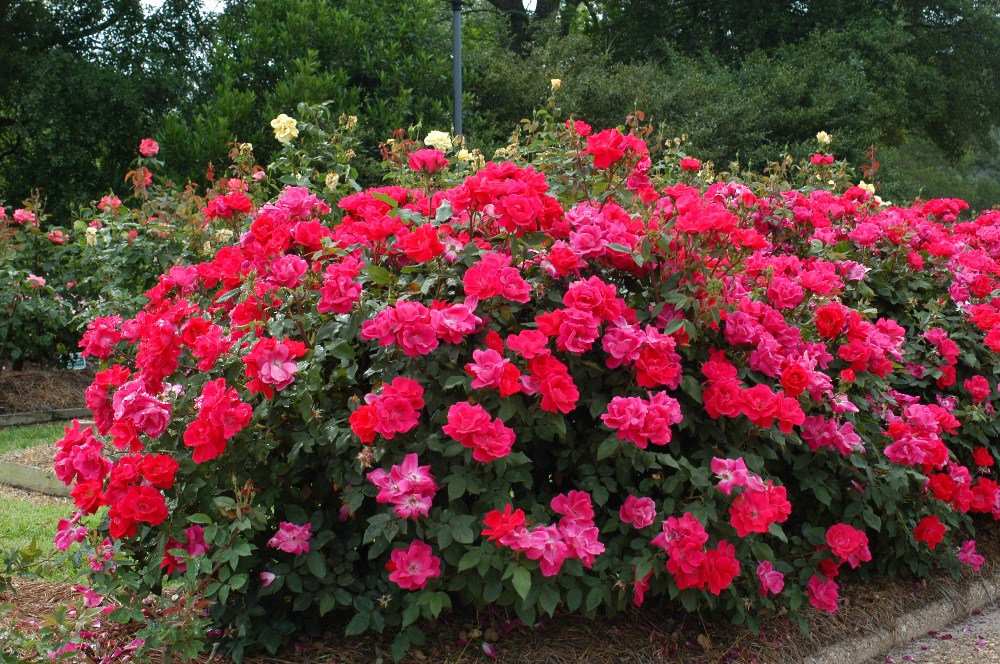
Breathtaking Types Of Rose Shrubs Background Art
Experience the crisp clarity of this stunning types of rose shrubs image, available in high resolution for all your screens.
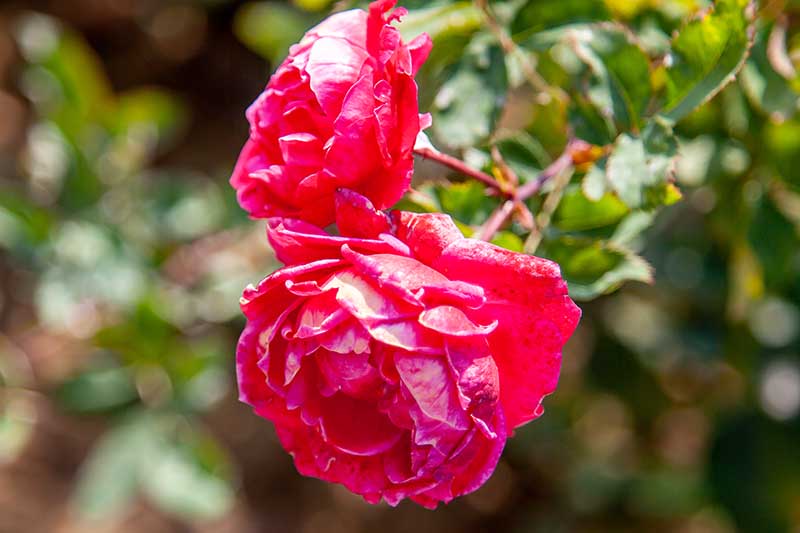
Detailed Types Of Rose Shrubs Background Photography
Experience the crisp clarity of this stunning types of rose shrubs image, available in high resolution for all your screens.