Different Kinds Of Orchids And Their Names
Hey there, fellow plant lover! Have you ever found yourself utterly captivated by the intricate beauty of an orchid? Their delicate petals, vibrant colors, and often intoxicating fragrances can truly make them the jewels of any plant collection. But with thousands of species and even more hybrids out there, it can feel a bit overwhelming trying to figure out what you're looking at, right?
Well, you're in the perfect place! Today, we're going to embark on a fascinating journey to explore the **different kinds of orchids and their names**. Whether you're a seasoned enthusiast or just starting to dip your toes into the wonderful world of these exquisite flowers, understanding their diversity will deepen your appreciation and help you choose the perfect orchid for your home.
So, grab a cup of your favorite beverage, get comfy, and let's dive into the amazing variety of orchids that grace our planet!
The Wonderful World of Orchids: A Kaleidoscope of Beauty
Orchids (family Orchidaceae) are one of the largest and most diverse families of flowering plants, boasting over 28,000 accepted species and countless natural and artificial hybrids. They can be found in almost every habitat on Earth, from the frosty tundras to the steamy tropics, showcasing incredible adaptability and a breathtaking array of forms.
What makes orchids so special, you ask? It's their unique floral structure, often with a prominent "lip" (labellum) that serves as a landing pad for pollinators. Their blooms can range from tiny, almost microscopic flowers to magnificent, dinner-plate-sized spectacles. Each kind has its own story, its own preferred environment, and its own charm.
Popular Orchid Genera You'll Love
Let's kick things off with some of the most recognized and beloved orchid types. These are often the first orchids people encounter, and for good reason – many are relatively easy to care for and offer stunning, long-lasting blooms.
Phalaenopsis (Moth Orchid)
Ah, the Phalaenopsis! This is probably the orchid you see most often in supermarkets and garden centers, and it's easy to see why it's so popular. Often called the "Moth Orchid" because its flowers resemble a moth in flight, Phalaenopsis are a fantastic choice for beginners.
They come in a dazzling array of colors and patterns, from pure white to deep purple, and even speckled varieties. With proper care, their elegant blooms can last for months, bringing continuous joy to your space. They generally prefer consistent temperatures and indirect light, making them ideal houseplants.
Cattleya (Queen of Orchids)
If you're looking for that classic, showy orchid bloom, then a Cattleya might be just what you need. Known as the "Queen of Orchids," Cattleya species and hybrids are famous for their large, often fragrant flowers with ruffled lips. They're what many people picture when they think of a corsage flower.
Cattleyas come in a wide range of colors, including vibrant purples, pinks, yellows, and whites. They appreciate bright, indirect light and a good watering-drying cycle. While they might require a bit more attention than a Phalaenopsis, the reward of their spectacular blooms is absolutely worth it.
Dendrobium (Cane Orchid)
The genus Dendrobium is incredibly diverse, encompassing thousands of species with a vast range of growth habits and flower forms. Many are known as "Cane Orchids" due to their cane-like pseudobulbs, which store water and nutrients.
From compact plants to sprawling giants, and flowers that bloom for weeks to those that last for months, there's a Dendrobium for nearly every taste. Popular types include the evergreen Nobile-type Dendrobiums and the deciduous Phalaenopsis-type Dendrobiums. Their care varies widely depending on the specific species or hybrid, so always check its individual needs.
Oncidium (Dancing Lady Orchid)
Prepare to be charmed by the Oncidium, often affectionately called the "Dancing Lady Orchid" because their clusters of small, frilly flowers seem to dance on delicate stems. These orchids are known for their profusion of blooms, creating a spectacular display.
You'll find Oncidiums in shades of yellow, brown, red, and sometimes white, often with intricate patterns. Many varieties are delightfully fragrant! They typically prefer bright, indirect light and a consistent watering schedule. Watching a healthy Oncidium in full bloom is truly a treat.
Paphiopedilum (Slipper Orchid)
If you're looking for something truly unique, the Paphiopedilum, or "Slipper Orchid," will surely catch your eye. These terrestrial or lithophytic orchids are characterized by their distinctive pouch-like lip, which gives them their common name.
Slipper Orchids come in a fascinating range of colors and patterns, from spotted greens and browns to vibrant reds and purples. They typically prefer shadier conditions and consistent moisture, making them a good option for those with less bright windows. Their elegant, often long-lasting blooms are a sophisticated addition to any collection.
Less Common, But Equally Captivating Orchids
Beyond the superstar orchids, there are many other incredible species and genera that offer unique beauty and a rewarding challenge for the more adventurous grower. Let's explore a few more **different kinds of orchids and their names**.
Vanda (Strap-Leaf Orchid)
Vandas are truly spectacular, known for their large, vibrantly colored, often tessellated flowers and prominent aerial root systems. These orchids are native to tropical Asia and typically grow without potting medium, often suspended in baskets with their roots exposed to the air.
Their intense blues, purples, and pinks are breathtaking, and a well-grown Vanda can produce multiple spikes of long-lasting flowers. Vandas thrive in high humidity, warm temperatures, and bright light, often requiring daily watering, making them a bit more demanding but incredibly rewarding for those who can provide the right environment.
Cymbidium (Boat Orchid)
For those living in cooler climates, the Cymbidium, or "Boat Orchid," is a fantastic choice. These magnificent orchids are known for their large, long-lasting flowers that bloom in late winter and spring. They are often grown outdoors in temperate regions or in cool greenhouses.
Cymbidiums produce impressive spikes of waxy flowers in a wide range of colors including green, yellow, pink, red, and brown. They require a distinct temperature drop at night to initiate flowering, making them different from many other tropical orchids. Their stately presence and abundance of blooms are truly magnificent.
Epidendrum (Crucifix Orchid)
The Epidendrum genus is another incredibly diverse group, with many species being quite hardy and easy to grow. Some of the most popular are often referred to as "Crucifix Orchids" due to their small, star-shaped flowers that bloom in clusters at the top of tall, reed-like stems.
These orchids are often seen in garden beds or hanging baskets in warm climates, where they can produce a continuous display of colorful blooms in shades of red, orange, yellow, pink, and purple. They love bright light and good air circulation, and are quite forgiving, making them a great option for those who want a lot of color with less fuss.
Zygopetalum (Fragrant Orchid)
For those who appreciate fragrance as much as beauty, the Zygopetalum is an absolute must-have. These striking orchids are celebrated for their wonderfully aromatic flowers, which often carry a sweet, spicy scent reminiscent of hyacinths or freesia.
Their blooms feature intricate patterns of green, brown, purple, and blue on waxy petals, often with a vibrant, contrasting lip. Zygopetalums prefer intermediate temperatures, good humidity, and consistent moisture. They are known for their robust growth and can be quite rewarding to grow, filling your home with their delightful perfume.
Understanding Orchid Names: Beyond the Common
Now that we've looked at some of the **different kinds of orchids and their names**, let's briefly touch upon how orchids are named. Understanding this can help you decipher labels and appreciate the complex world of orchid taxonomy and hybridization.
Decoding Scientific Names
Orchids, like all living things, are named using a binomial nomenclature system. This means each orchid has two main parts to its scientific name:
- Genus: The first word, capitalized, represents the genus (a group of closely related species). For example, Phalaenopsis or Cattleya.
- Species: The second word, lowercase, specifies the particular species within that genus. For example, Phalaenopsis amabilis or Cattleya trianae.
Sometimes you'll see variety names too, like Phalaenopsis amabilis var. formosana. This helps distinguish slight variations within a species.
The Magic of Hybrids
Many of the orchids you find for sale are actually hybrids, meaning they are crosses between two different species or even different genera! These are created by breeders to combine desirable traits like larger flowers, unique colors, or easier care.
- Primary Hybrids: A cross between two species within the same genus (e.g., Phalaenopsis 'Sogo Yukidian' which is a complex hybrid of many Phalaenopsis species).
- Intergeneric Hybrids: A cross between species from different genera (e.g., Potinara, which is a cross involving Brassavola, Cattleya, Laelia, and Sophronitis).
Hybrid names are often given a fancy name in single quotes, like Phalaenopsis 'White Dream'. These names are registered and help track their lineage.
Choosing the Right Orchid for You
With so many **different kinds of orchids and their names** to discover, how do you pick the perfect one? It really comes down to a few key factors about your living situation and your commitment level.
Factors to Consider
- Light: How much natural light does your chosen spot receive? Orchids have varying light needs, from low-light Paphiopedilums to high-light Vandas.
- Temperature: Can you provide consistent warm, intermediate, or cool temperatures? Most household orchids prefer intermediate temperatures.
- Humidity: Are you willing to mist or use a humidity tray? Many orchids love high humidity.
- Watering: How often are you able to water? Some like to dry out completely, others prefer consistent moisture.
- Space: How much room do you have? Some orchids are compact, while others can grow quite large.
Beginner-Friendly Choices
If you're just starting out, don't feel overwhelmed! Here are some excellent choices for beginners:
- Phalaenopsis (Moth Orchid): The easiest and most forgiving for most indoor environments.
- Oncidium Alliance Hybrids (e.g., 'Sharry Baby'): Often more robust and adaptable than their species parents, many are quite fragrant too.
- Dendrobium Phalaenopsis-type Hybrids: Easy to grow and produce beautiful, long-lasting blooms.
- Epidendrum (Crucifix Orchid): If you have a bright spot, these are very hardy and bloom profusely.
Conclusion
What an incredible journey we've had exploring the **different kinds of orchids and their names**! From the beginner-friendly Phalaenopsis to the striking Vanda, and the fragrant Zygopetalum, the world of orchids is truly vast and mesmerizing. Each genus, species, and hybrid offers its own unique charm, challenges, and rewards.
Don't be afraid to delve deeper and discover new favorites. With a little understanding of their basic needs and a keen eye for their scientific names, you'll be well on your way to building a thriving and diverse orchid collection. Happy growing!
Frequently Asked Questions (FAQ) About Orchids
- What are the easiest orchids to grow for beginners?
- The Phalaenopsis, or Moth Orchid, is widely considered the easiest orchid for beginners due to its tolerance for typical household conditions and long-lasting blooms. Oncidium alliance hybrids and some Dendrobium types are also good choices.
- How often should I water my orchid?
- Watering frequency depends on the orchid type, potting medium, and environmental conditions. A general rule for many common orchids like Phalaenopsis is to water when the potting medium is nearly dry. This could be anywhere from once a week to every two weeks. Always check the specific needs of your orchid!
- Do all orchids have a fragrance?
- No, not all orchids are fragrant, but many are! Species like some Cattleyas, Oncidiums, and especially Zygopetalums are renowned for their delightful scents. Fragrance can vary from sweet to spicy, citrusy, or even chocolatey.
- What do 'epiphytic' and 'terrestrial' mean for orchids?
- Epiphytic orchids grow on other plants (like trees) for support, not as parasites, absorbing moisture and nutrients from the air and rain. Many popular orchids like Phalaenopsis and Cattleya are epiphytic. Terrestrial orchids grow in the ground, rooting in soil, much like typical garden plants. Paphiopedilums are an example of terrestrial orchids.
- Can I repot my orchid in regular potting soil?
- No, you should NOT repot most orchids in regular potting soil. Most cultivated orchids are epiphytic and require a special orchid potting mix, usually composed of bark, sphagnum moss, perlite, and charcoal, to ensure excellent drainage and air circulation around their roots. Using regular soil will suffocate their roots and lead to rot.
How Many Different Types Of Roses Are There
How Many Different Types Of Roses Are There Wallpapers
Collection of how many different types of roses are there wallpapers for your desktop and mobile devices.

Spectacular How Many Different Types Of Roses Are There Wallpaper for Your Screen
Immerse yourself in the stunning details of this beautiful how many different types of roses are there wallpaper, designed for a captivating visual experience.

Artistic How Many Different Types Of Roses Are There Scene Nature
This gorgeous how many different types of roses are there photo offers a breathtaking view, making it a perfect choice for your next wallpaper.

Serene How Many Different Types Of Roses Are There Landscape in 4K
Transform your screen with this vivid how many different types of roses are there artwork, a true masterpiece of digital design.

Detailed How Many Different Types Of Roses Are There Design Art
Transform your screen with this vivid how many different types of roses are there artwork, a true masterpiece of digital design.

Gorgeous How Many Different Types Of Roses Are There Design Art
Find inspiration with this unique how many different types of roses are there illustration, crafted to provide a fresh look for your background.

Spectacular How Many Different Types Of Roses Are There Abstract for Mobile
Find inspiration with this unique how many different types of roses are there illustration, crafted to provide a fresh look for your background.

Artistic How Many Different Types Of Roses Are There Capture for Desktop
A captivating how many different types of roses are there scene that brings tranquility and beauty to any device.
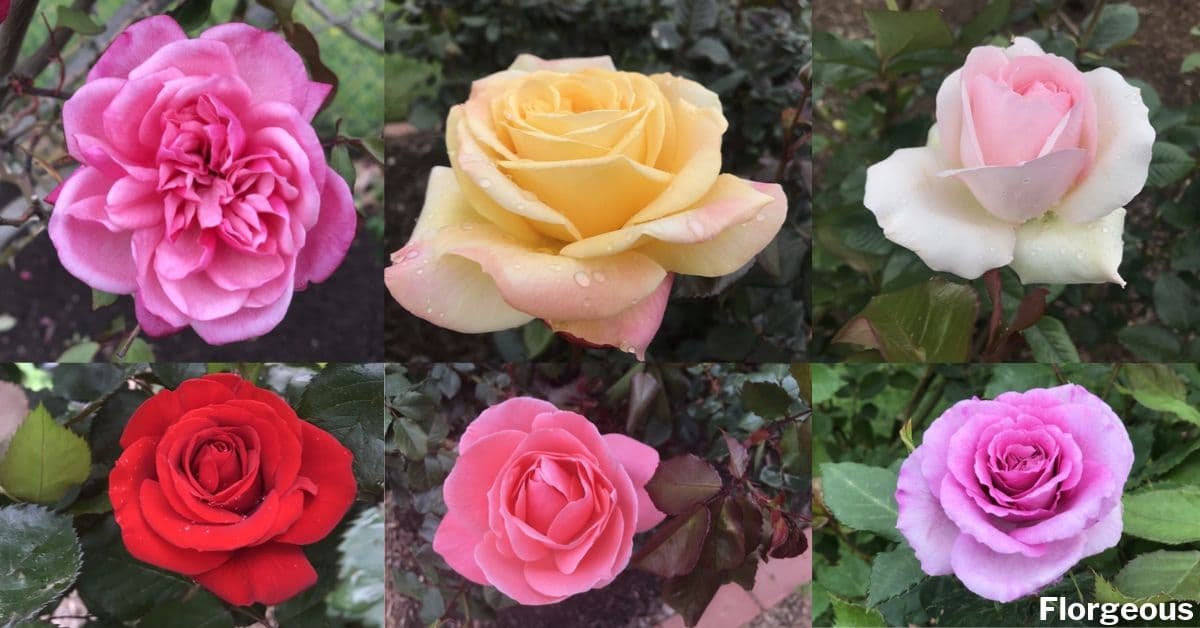
Amazing How Many Different Types Of Roses Are There Artwork for Desktop
Discover an amazing how many different types of roses are there background image, ideal for personalizing your devices with vibrant colors and intricate designs.
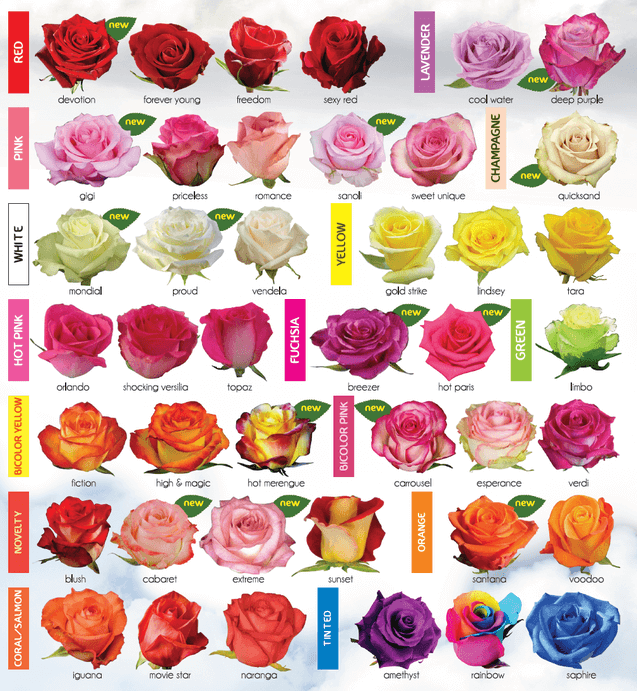
Mesmerizing How Many Different Types Of Roses Are There Artwork in HD
Discover an amazing how many different types of roses are there background image, ideal for personalizing your devices with vibrant colors and intricate designs.

Crisp How Many Different Types Of Roses Are There Scene Concept
A captivating how many different types of roses are there scene that brings tranquility and beauty to any device.

High-Quality How Many Different Types Of Roses Are There Landscape Photography
Transform your screen with this vivid how many different types of roses are there artwork, a true masterpiece of digital design.

Artistic How Many Different Types Of Roses Are There Wallpaper Collection
Immerse yourself in the stunning details of this beautiful how many different types of roses are there wallpaper, designed for a captivating visual experience.

Stunning How Many Different Types Of Roses Are There Wallpaper Art
A captivating how many different types of roses are there scene that brings tranquility and beauty to any device.
 2) {
insertAfter(ad1,tg1[bl1-1]); insertAfter(ad2,tg1[bl2-1]);
} else if (br2 > 1) {
insertAfter(ad1,tg2[bk1-1]); insertAfter(ad2,tg2[bk2-1]);
} else {}
2) {
insertAfter(ad1,tg1[bl1-1]); insertAfter(ad2,tg1[bl2-1]);
} else if (br2 > 1) {
insertAfter(ad1,tg2[bk1-1]); insertAfter(ad2,tg2[bk2-1]);
} else {}